Unveiling the Ancient Power: An Aztec nutrition Guide for Modern Living
The Aztec civilization, a powerful empire that flourished in Mesoamerica, left behind a legacy not just of impressive architecture and complex social structures, but also of a sophisticated understanding of nutrition. Their diet, rooted in the rich biodiversity of their environment, provided the foundation for a robust and thriving population. This guide explores the core principles of Aztec nutrition, translating them into practical advice for contemporary life.
Understanding the Aztec Dietary Foundation
The Aztec diet was primarily plant-based, with a strong emphasis on whole, unprocessed foods. This foundation provided a balanced intake of carbohydrates, proteins, fats, and essential micronutrients.
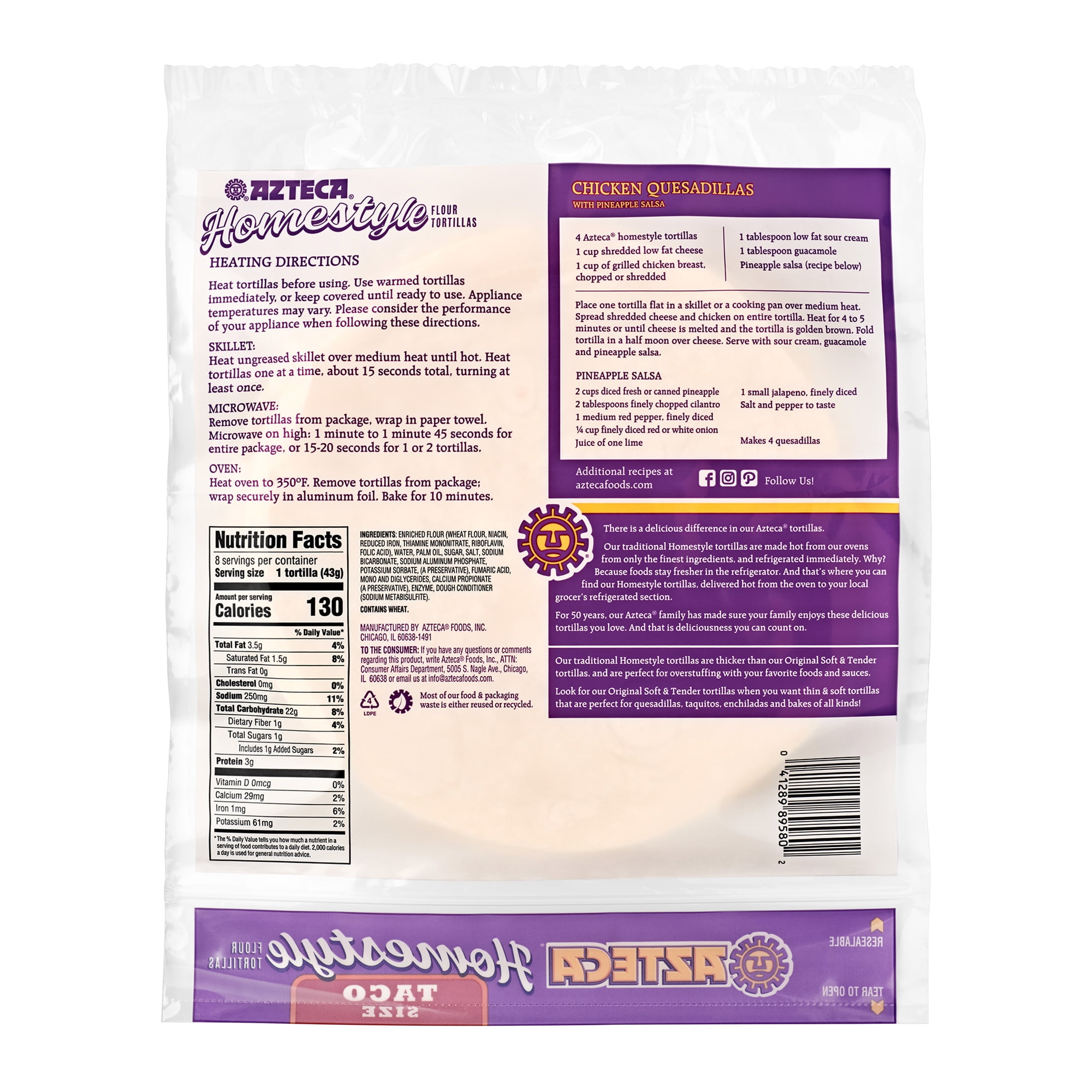
Azteca Traditional Homestyle Taco-Size Flour Tortillas, oz, Ct
The Cornerstone: Maize (Corn)
Maize, or corn, was the bedrock of the Aztec diet. It was consumed in numerous forms, from tortillas and tamales to atole, a thick porridge.
Maize provided a significant source of carbohydrates, crucial for energy.
The Aztecs employed a process called nixtamalization, soaking maize in an alkaline solution (lime water), which significantly increased its nutritional value. This process enhanced the bioavailability of niacin (vitamin B3), calcium, and other essential nutrients.
Modern applications: Opt for nixtamalized corn products like corn tortillas and masa harina. Incorporate corn into soups, stews, and salads.
The Protein Powerhouse: Beans
Beans, especially black beans, were a vital source of protein in the Aztec diet.
Combined with maize, beans provided a complete protein profile, ensuring all essential amino acids were consumed.
Beans also provided fiber, iron, and other essential minerals.
Modern applications: Include a variety of beans in your diet, such as black beans, pinto beans, and kidney beans. They are excellent additions to chili, soups, salads, and burritos.
Squash, including pumpkins, zucchini, and chayote, was another staple food.
Squash provided vitamins A and C, as well as fiber and potassium.
The seeds of squash were also consumed, offering a source of healthy fats and protein.
Modern applications: Enjoy a variety of squash in roasted, sautéed, or grilled preparations. Incorporate squash seeds into snacks or salads.
The Spicy Kick: Chili Peppers
Chili peppers were integral to Aztec cuisine, adding flavor and nutritional benefits.
Chili peppers are rich in vitamin C and capsaicin, a compound with anti-inflammatory properties.
They also contributed to the diverse flavors of Aztec dishes.
Modern applications: Add chili peppers to your meals for a boost of flavor and nutrients. Use them in salsas, sauces, and stews.
The Garden’s Bounty: Tomatoes and Avocados
Tomatoes and avocados were highly valued by the Aztecs.
Tomatoes are rich in lycopene, an antioxidant, and vitamin C.
Avocados provide healthy monounsaturated fats, fiber, and potassium.
Modern applications: Incorporate tomatoes and avocados into salads, sandwiches, and dips.
The Sweet Treats: Amaranth and Chia
Amaranth and chia seeds were important sources of nutrients and energy.
Amaranth is a gluten-free grain rich in protein, fiber, and minerals.
Chia seeds are high in omega-3 fatty acids, fiber, and antioxidants.
Modern applications: Add amaranth and chia seeds to smoothies, yogurt, or baked goods.
The Protein Source: Turkey, Fish, and Insects
While the Aztec diet was primarily plant-based, animal protein was also consumed.
Turkey, fish, and insects, such as grasshoppers and ants, were sources of protein.
These sources provided essential amino acids and other nutrients.
Modern applications: If you consume animal protein, opt for lean sources like turkey and fish. Explore the potential of edible insects as a sustainable protein source.
Aztec Culinary Practices: Beyond the Ingredients
The Aztecs’ understanding of nutrition extended beyond the selection of foods to their culinary practices.
Nixtamalization: A Nutritional Breakthrough
As mentioned earlier, nixtamalization was a crucial process that enhanced the nutritional value of maize.
This practice transformed maize into a more digestible and nutrient-rich food.
Modern applications: Seek out nixtamalized corn products to maximize their nutritional benefits.
Combining Foods for Optimal Nutrition
The Aztecs understood the importance of combining foods for optimal nutrition.
The pairing of maize and beans created a complete protein source.
The combination of various vegetables and spices ensured a wide range of nutrients.
Modern applications: Emphasize balanced meals that include a variety of food groups.
Minimal Processing: Embracing Whole Foods
The Aztec diet was based on whole, unprocessed foods.
This approach preserved the natural nutrients and flavors of the foods.
Modern applications: Prioritize whole foods over processed foods.
Seasonal Eating: Adapting to Nature’s Rhythm
The Aztecs adapted their diet to the seasonal availability of foods.
This approach ensured a diverse intake of nutrients throughout the year.
Modern applications: Embrace seasonal eating by incorporating locally grown produce into your diet.
Adapting Aztec Nutrition for Modern Health
The principles of Aztec nutrition can be adapted to promote health and well-being in today’s world.
Emphasize Plant-Based Foods
Focus on a diet rich in fruits, vegetables, legumes, and whole grains.
These foods provide essential vitamins, minerals, fiber, and antioxidants.
Modern applications: Incorporate a variety of plant-based meals into your weekly diet.
Prioritize Whole, Unprocessed Foods
Choose whole, unprocessed foods over processed foods whenever possible.
This approach ensures you are consuming foods in their natural state, with minimal additives.
Modern applications: Cook at home using fresh ingredients.
Incorporate Nixtamalized Corn Products
Seek out nixtamalized corn products like corn tortillas and masa harina.
These products provide enhanced nutritional benefits.
Modern applications: Use nixtamalized corn products in your favorite Mexican-inspired dishes.
Balance Macronutrients
Ensure you are consuming a balanced intake of carbohydrates, proteins, and fats.
Combine maize and beans for a complete protein source.
Include healthy fats from avocados, nuts, and seeds.
Modern applications: Plan your meals to include a variety of macronutrients.
Embrace Diversity
Incorporate a wide range of fruits, vegetables, and other plant-based foods into your diet.
This approach ensures you are consuming a diverse array of nutrients.
Modern applications: Try new fruits and vegetables regularly.
Mindful Eating
Practice mindful eating by paying attention to your hunger and fullness cues.
Savor the flavors and textures of your food.
Modern applications: Eat slowly and avoid distractions while eating.
Conclusion: A Timeless Wisdom
The Aztec nutrition guide offers a valuable framework for promoting health and well-being in the modern world. By embracing the principles of whole, unprocessed foods, plant-based eating, and mindful consumption, we can tap into the ancient wisdom of the Aztecs and cultivate a healthier lifestyle. The Aztec diet, though ancient, holds a wealth of information that can be applied to our current dietary needs. By understanding the core principles, we can create a modern diet that honors the past and safeguards our future health.