
The Rise and Reality of growth Tablets: A Comprehensive Examination
The quest for enhanced physical stature has been a persistent human endeavor, spanning cultures and generations. In today’s fast-paced world, the allure of quick fixes and readily available solutions has propelled the popularity of growth tablets. These supplements, marketed with promises of increased height and improved physique, have captured the attention of adolescents, young adults, and even parents seeking to maximize their children’s growth potential. But what are these tablets, and do they truly deliver on their ambitious claims? This article delves into the science, marketing, and realities surrounding growth tablets, providing a comprehensive overview for the discerning consumer.
The desire for increased height is often rooted in societal perceptions of attractiveness, confidence, and even professional success. Growth tablets capitalize on these aspirations, presenting a seemingly simple solution to a complex biological process. They are marketed with a range of benefits, including:

Stimulated Bone Growth:
Claims often center on the ability of these tablets to enhance the production of growth hormone (GH) or provide essential nutrients for bone development.
Improved Cartilage Formation:
Some formulations focus on supporting the health and growth of cartilage, the flexible tissue found in joints and growth plates.
Enhanced Muscle Mass:
Many growth tablets also incorporate ingredients purported to boost muscle growth and improve overall physique.
Increased Energy Levels:
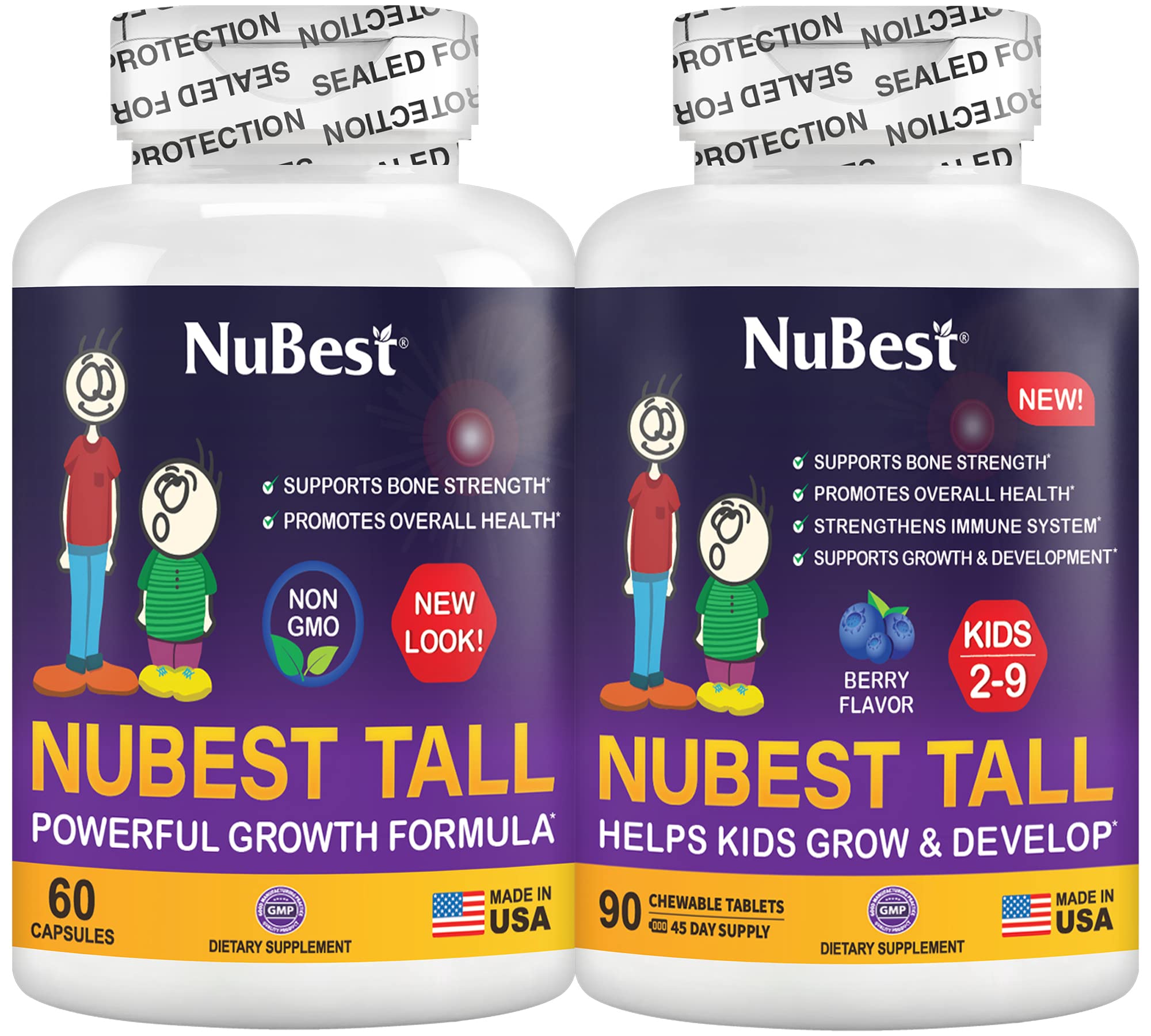
Some brands promise improved energy and vitality, contributing to a sense of overall well-being.
The composition of growth tablets varies widely, but common ingredients include:
Amino Acids:
These are the building blocks of proteins, essential for tissue growth and repair. Arginine, lysine, and glutamine are frequently included, as they are believed to play a role in GH production.
Vitamins and Minerals:
Vitamin D, calcium, zinc, and magnesium are crucial for bone health and growth. Many growth tablets incorporate these nutrients to address potential deficiencies.
Herbal Extracts:
Ingredients like ashwagandha, ginkgo biloba, and collagen are sometimes added for their purported growth-promoting and overall health benefits.
Growth Hormone Releasers:
Some products claim to contain substances that stimulate the body’s natural production of GH. However, the efficacy and safety of these ingredients are often debated.
Collagen:
This protein, found in connective tissues, is often included to support cartilage and bone health.
Human growth is a complex process influenced by a multitude of factors, including genetics, nutrition, hormones, and overall health.
Genetics:
Heredity plays a significant role in determining an individual’s height potential.
Nutrition:
A balanced diet rich in protein, calcium, vitamin D, and other essential nutrients is crucial for optimal growth.
Hormones:
Growth hormone (GH), produced by the pituitary gland, is a key regulator of growth. Other hormones, such as thyroid hormones and sex hormones, also play a role.
Growth Plates:
These areas of cartilage located at the ends of long bones are responsible for bone elongation. Once the growth plates close, typically during adolescence, further height increase is limited.
The effectiveness of growth tablets is a subject of ongoing debate. While some individuals report positive results, scientific evidence supporting their claims is often limited and inconclusive.
Limited Clinical Studies:
Many growth tablet manufacturers rely on anecdotal evidence and marketing claims rather than rigorous scientific studies.
Varied Results:
The effectiveness of these tablets can vary significantly depending on individual factors, such as age, genetics, and overall health.
Placebo Effect:
The psychological expectation of growth can sometimes lead to a perceived increase in height, even if the tablets themselves have no actual effect.
Nutritional Deficiencies:
If a person has a nutritional deficiency, supplementing with vitamins and minerals can aid growth, but this is correcting a deficiency, not supercharging growth.
Growth Hormone Stimulators:
Some products claim to stimulate GH. However, oral GH is largely ineffective. GH must be injected to be effective. Products that claim to increase GH are often unproven.
While growth tablets are often marketed as safe and natural, they can pose potential risks and side effects.
Allergic Reactions:
Some individuals may be allergic to certain ingredients in growth tablets.
Digestive Issues:
Common side effects include nausea, vomiting, diarrhea, and abdominal pain.
Hormonal Imbalances:
Growth tablets that claim to affect hormone levels can potentially disrupt the body’s natural hormonal balance.
Interactions with Medications:
Some ingredients may interact with prescription medications, potentially leading to adverse effects.
Lack of Regulation:
The supplement industry is not as tightly regulated as the pharmaceutical industry, so the quality and safety of growth tablets can vary widely.
Overdose Risks:
Some vitamins and minerals can be harmful in high doses.
Growth tablets may be considered in specific circumstances, but it’s essential to consult with a healthcare professional before taking any supplements.
Nutritional Deficiencies:
Individuals with diagnosed nutritional deficiencies may benefit from targeted supplementation under medical supervision.
Specific Medical Conditions:
In rare cases, certain medical conditions may warrant the use of growth-promoting therapies, but these should be prescribed and monitored by a doctor.
Adolescents with Delayed Growth:
If a child or adolescent is experiencing significantly delayed growth, a doctor can evaluate the underlying cause and recommend appropriate interventions.
While growth tablets may offer a tempting shortcut, a holistic approach to growth is far more effective and sustainable.
Balanced Diet:
A healthy diet rich in protein, calcium, vitamin D, and other essential nutrients is crucial for optimal growth.
Regular Exercise:
Physical activity, particularly weight-bearing exercises, promotes bone health and growth.
Adequate Sleep:
Growth hormone is primarily released during sleep, so getting enough rest is essential.
Healthy Lifestyle:
Avoiding smoking and excessive alcohol consumption is important for overall health and growth.
Medical Consultation:
Regular check-ups with a doctor can help monitor growth and identify any potential issues.
The marketing of growth tablets often employs persuasive tactics to appeal to consumers.
Before and After Photos:
These images can create unrealistic expectations and may be digitally altered.
Testimonials:
Personal testimonials can be compelling, but they are not a substitute for scientific evidence.
Celebrity Endorsements:
The endorsement of a celebrity or influencer can lend credibility to a product, but it does not guarantee its effectiveness.
Limited-Time Offers:
Creating a sense of urgency can pressure consumers into making impulsive purchases.
“Natural” Claims:
The term “natural” does not necessarily mean safe or effective.
Growth tablets represent a complex and often controversial area of health and wellness. While they may offer some benefits in specific circumstances, it’s crucial to approach their claims with skepticism and make informed decisions based on scientific evidence and professional guidance.
Consult with a healthcare professional before taking any growth tablets.
Ultimately, the pursuit of enhanced growth should be approached with a balanced perspective, prioritizing overall health and well-being over quick fixes and unrealistic expectations.


