
Unlocking Your Facial Hair Potential: A Deep Dive into growth Stimulators
The quest for a fuller, thicker beard is a journey many men embark on. Whether you’re aiming for a rugged lumberjack look or simply filling in patchy areas, the desire for enhanced facial hair growth is widespread. This article delves into the world of facial hair growth stimulators, exploring their mechanisms, ingredients, efficacy, and potential side effects.
Before exploring stimulators, it’s crucial to understand the natural hair growth cycle. Facial hair, like all hair, goes through three distinct phases:
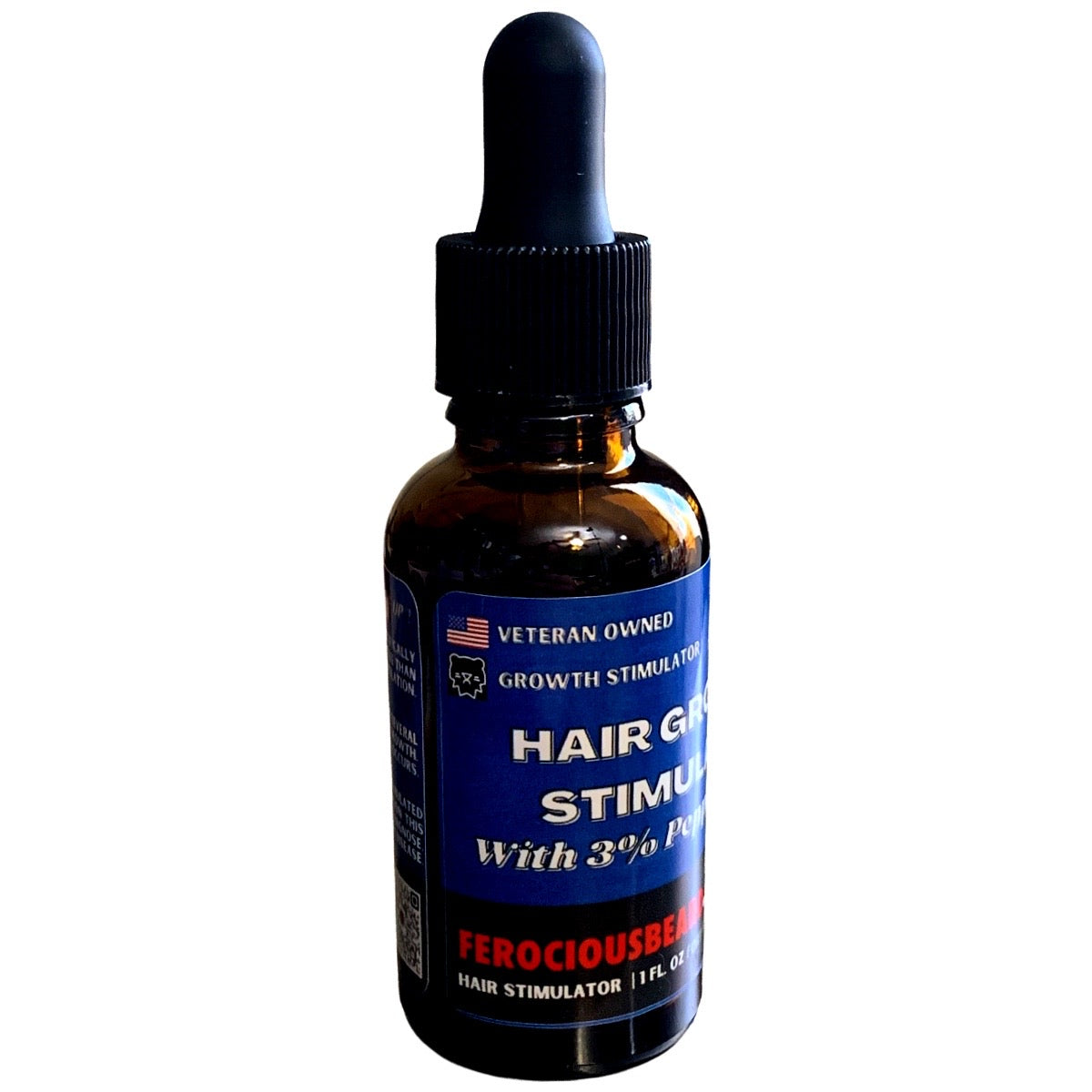
Anagen (Growth Phase): This is the active growth phase, where hair follicles produce new hair. The length of this phase determines the ultimate length of your beard.
Genetics primarily dictate the length of these phases and the density of your facial hair. However, various factors can influence growth, including hormones, nutrition, and blood circulation.
Facial hair growth stimulators aim to extend the anagen phase, increase follicle activity, and improve blood flow to the hair follicles. They work through various mechanisms, targeting different aspects of the growth process.

Minoxidil
Perhaps the most well-known topical treatment, minoxidil was initially developed for treating high blood pressure. It was later discovered to stimulate hair growth. Its exact mechanism is not fully understood, but it is believed to:
Increase blood flow to hair follicles.
Minoxidil is available over-the-counter in various concentrations, typically 2% and 5%. It requires consistent application, and results may take several months to appear.
Derma Rolling/Microneedling
This technique involves using a device with tiny needles to create micro-injuries on the skin. This triggers the body’s natural healing process, stimulating collagen and elastin production and potentially increasing blood flow to the follicles.
Stimulates growth factors.
Derma rolling is often used in conjunction with other growth stimulators, like minoxidil, to enhance their effectiveness.
Peptides
Peptides are short chains of amino acids, the building blocks of proteins. Certain peptides, like copper peptides, are believed to stimulate hair growth by:
Promoting collagen and elastin production.
Peptides are often found in serums and topical solutions designed to promote hair growth.
Biotin (Vitamin B7)
Biotin is an essential vitamin that plays a role in cell growth and metabolism. While biotin deficiency can lead to hair loss, it is not a guaranteed growth stimulant for people who are not deficient.
Supports keratin production.
Biotin is available as a supplement and is often included in hair growth formulas.
Natural Oils
Several natural oils are believed to promote facial hair growth, although scientific evidence is limited.
Castor Oil: Rich in ricinoleic acid, which may improve blood circulation.
These oils are often used as carrier oils for other growth stimulators or massaged directly into the skin.
Essential Oils
Essential oils are highly concentrated plant extracts with various potential benefits. Some essential oils believed to help with beard growth:
Peppermint Oil: Can increase blood flow to the hair follicles.
Essential oils should be diluted with carrier oils before topical application.
Hormonal Considerations
Testosterone and dihydrotestosterone (DHT) play significant roles in facial hair growth.
Testosterone: The primary male sex hormone, essential for facial hair development.
However, increasing testosterone or DHT levels artificially is not recommended without medical supervision due to potential side effects.
The effectiveness of facial hair growth stimulators varies depending on individual factors, including genetics, age, and underlying health conditions.
Minoxidil: Has shown clinical efficacy in promoting hair growth, but results are not guaranteed, and consistency is crucial.
It’s essential to be aware of the potential side effects associated with facial hair growth stimulators.
Minoxidil Side Effects
Skin irritation and dryness.
Derma Rolling/Microneedling Side Effects
Redness and irritation.
Biotin Side Effects
Essential Oils Side Effects
Hormonal Side Effects
When selecting a facial hair growth stimulator, consider the following:
Ingredients: Look for products with clinically proven ingredients.
In addition to using growth stimulators, adopting a healthy lifestyle can significantly impact facial hair growth.
Balanced Diet: Consume a diet rich in protein, vitamins, and minerals.
Facial hair growth stimulators can be a valuable tool in achieving a fuller, thicker beard. However, it’s crucial to understand their mechanisms, potential side effects, and individual variations in response. By choosing the right products, adopting a healthy lifestyle, and consulting with a professional when necessary, you can maximize your facial hair growth potential and achieve the beard you desire. Remember that consistency and patience are key to seeing results.


