
The Comprehensive Guide to the Eyelash growth Cycle: Unlocking the Secrets to Lush Lashes
Eyelashes, those delicate fringes framing our eyes, play a crucial role in both aesthetics and eye health. Beyond their undeniable beauty, they act as a protective barrier, shielding our eyes from dust, debris, and excessive light. Understanding the eyelash growth cycle is paramount for anyone seeking to enhance their natural lashes or address concerns about lash loss. This comprehensive guide delves deep into the intricacies of this fascinating process, providing insights into each phase and offering practical tips for promoting healthy lash growth.
Like hair on other parts of our body, eyelashes undergo a cyclical growth process, characterized by three distinct phases: anagen, catagen, and telogen. Each phase plays a vital role in determining the length, thickness, and overall health of our lashes.

Anagen: The Active Growth Phase
The anagen phase, often referred to as the active growth phase, is the initial stage of the eyelash growth cycle. During this period, the lash follicle is actively producing new cells, leading to the elongation of the lash shaft. This phase typically lasts between 30 to 45 days, during which the lash grows to its full potential length.
Cellular Activity: The base of the lash follicle, known as the dermal papilla, is rich in blood vessels and nutrients. During anagen, these resources fuel rapid cell division and keratin production, the protein that forms the structure of the lash.
Catagen: The Transition Phase
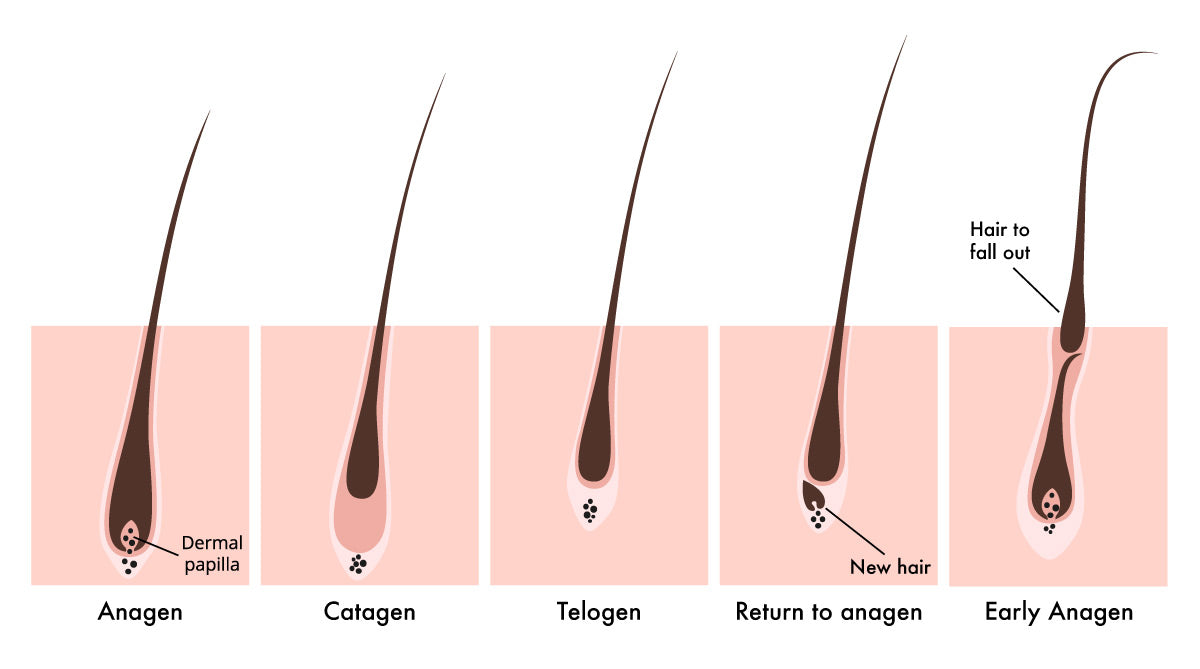
Following the anagen phase, the eyelash enters the catagen phase, a transitional period that signals the end of active growth. During this phase, the lash follicle shrinks, and the lash detaches from the dermal papilla, effectively cutting off its blood supply.
Follicle Shrinkage: The catagen phase is characterized by a significant reduction in the size of the lash follicle. This shrinkage signals the cessation of active cell division and keratin production.
Telogen: The Resting Phase
The telogen phase, also known as the resting phase, is the final stage of the eyelash growth cycle. During this period, the lash remains in the follicle, but it is no longer actively growing. This phase can last for several weeks to several months, depending on individual factors.

Dormant Follicle: The lash follicle remains dormant during the telogen phase. The lash is fully formed but detached from the dermal papilla.
Several factors can influence the eyelash growth cycle, affecting the length, thickness, and overall health of our lashes. Understanding these factors is crucial for promoting healthy lash growth and addressing concerns about lash loss.
Genetics
Genetics plays a significant role in determining the natural length, thickness, and color of our eyelashes. Just as we inherit our hair color and texture from our parents, we also inherit our eyelash characteristics.
Nutrition
A balanced diet rich in essential nutrients is vital for healthy eyelash growth. Proteins, vitamins, and minerals provide the building blocks for keratin synthesis and support overall follicle health.
Hormonal Changes
Hormonal fluctuations, such as those that occur during pregnancy, menopause, or thyroid disorders, can affect the eyelash growth cycle. Some hormonal changes may lead to increased lash shedding or thinning.
Medical Conditions
Certain medical conditions, such as alopecia areata or trichotillomania, can cause significant eyelash loss. These conditions may require medical intervention to address the underlying cause and promote lash regrowth.
External Factors
External factors, such as harsh makeup removal, excessive rubbing, or the use of eyelash extensions, can damage the delicate lash follicles and lead to lash breakage or shedding.
Age
As we age, the eyelash growth cycle may slow down, resulting in thinner and shorter lashes. This is a natural part of the aging process.
While some factors affecting eyelash growth are beyond our control, there are several steps we can take to promote healthy lash growth and maintain the health of current lashes.
Gentle Makeup Removal
Avoid harsh rubbing or pulling when removing eye makeup. Use a gentle makeup remover and a soft cotton pad to gently dissolve makeup without damaging the lashes.
Avoid Excessive Rubbing
Resist the urge to rub your eyes, as this can lead to lash breakage and shedding.
Use High-Quality Mascara
Choose a mascara that is formulated with nourishing ingredients and avoid using waterproof mascara daily, as it can be difficult to remove and may damage the lashes.
Consider Eyelash Serums
Eyelash serums containing peptides, vitamins, and other growth-promoting ingredients can help enhance lash length and thickness.
Maintain a Healthy Diet
Consume a balanced diet rich in proteins, vitamins, and minerals to support healthy lash growth.
Consult a Professional
If you experience excessive lash loss or other concerns about your eyelashes, consult a dermatologist or ophthalmologist to rule out any underlying medical conditions.
The eyelash growth cycle is a complex and fascinating process that plays a crucial role in maintaining the health and appearance of our eyelashes. By understanding the three distinct phases of anagen, catagen, and telogen, and by addressing the factors that can influence lash growth, we can take proactive steps to promote healthy, lush lashes. By taking good care of our lashes, we can support their health and enhance their beauty for years to come.


