
“`markdown
# Unraveling the growth Dynamics of the Blue Arrow Juniper: A Comprehensive Guide
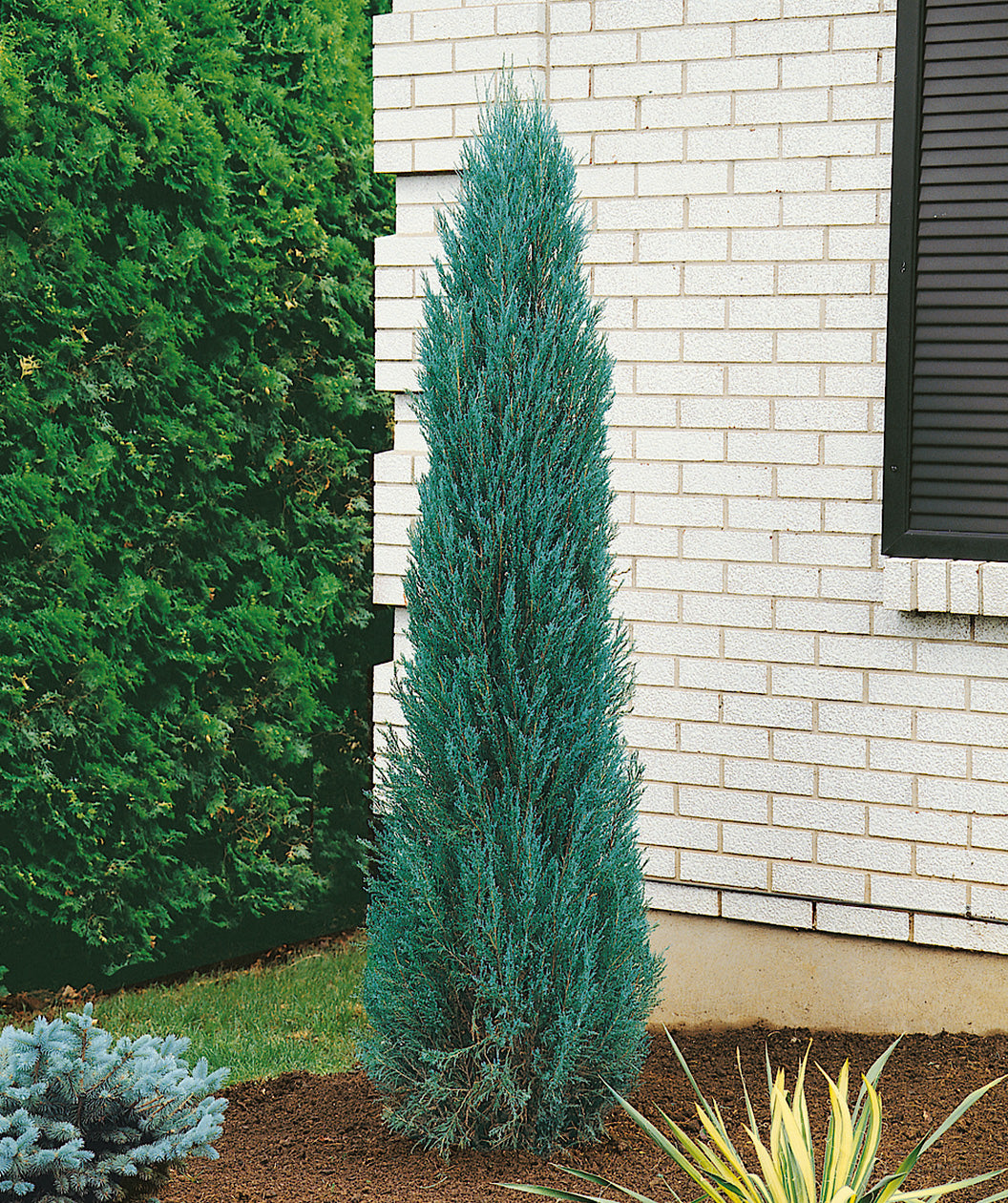
The Blue Arrow Juniper (Juniperus scopulorum ‘Blue Arrow’) stands as a striking vertical accent in gardens and landscapes, prized for its slender, columnar form and vibrant blue-gray foliage. Its popularity stems not only from its aesthetic appeal but also from its relative ease of care and adaptability to various growing conditions. However, understanding its growth rate is crucial for gardeners and landscapers aiming to incorporate this conifer into their designs. This comprehensive guide delves into the factors influencing the Blue Arrow Juniper’s growth, offering insights into optimizing its development.
Understanding the Blue Arrow Juniper’s Natural Growth Patterns
The Blue Arrow Juniper is a cultivar of the Rocky Mountain Juniper, naturally found in arid and semi-arid regions of western North America. This heritage provides a foundation for its resilience and adaptability. However, when considering its growth rate, it’s essential to acknowledge that it’s classified as a slow to moderate grower.

Typical Growth Rate
Generally, the Blue Arrow Juniper exhibits an average growth rate of 6 to 12 inches per year. This rate, however, is not static and can fluctuate based on a multitude of environmental and care-related factors. Over time, it can reach heights of 10 to 15 feet, maintaining a narrow spread of 2 to 3 feet. This columnar habit is a defining characteristic, making it ideal for tight spaces and vertical accents.
Juvenile vs. Mature Growth
Like many conifers, the Blue Arrow Juniper’s growth rate isn’t uniform throughout its lifespan. Young plants may exhibit slightly faster growth as they establish their root systems and begin to develop their vertical structure. As the juniper matures, the growth rate may slow down, focusing more on maintaining its form and density.
Factors Influencing the Blue Arrow Juniper’s Growth
Several key factors play a significant role in determining the Blue Arrow Juniper’s growth rate. Understanding and managing these factors can help optimize its development.
Sunlight Exposure
The Importance of Full Sun
Sunlight is paramount for the Blue Arrow Juniper’s growth. It thrives in full sun, requiring at least 6 to 8 hours of direct sunlight daily. Inadequate sunlight can lead to stunted growth, sparse foliage, and a weakened overall structure.
Impact of Partial Shade
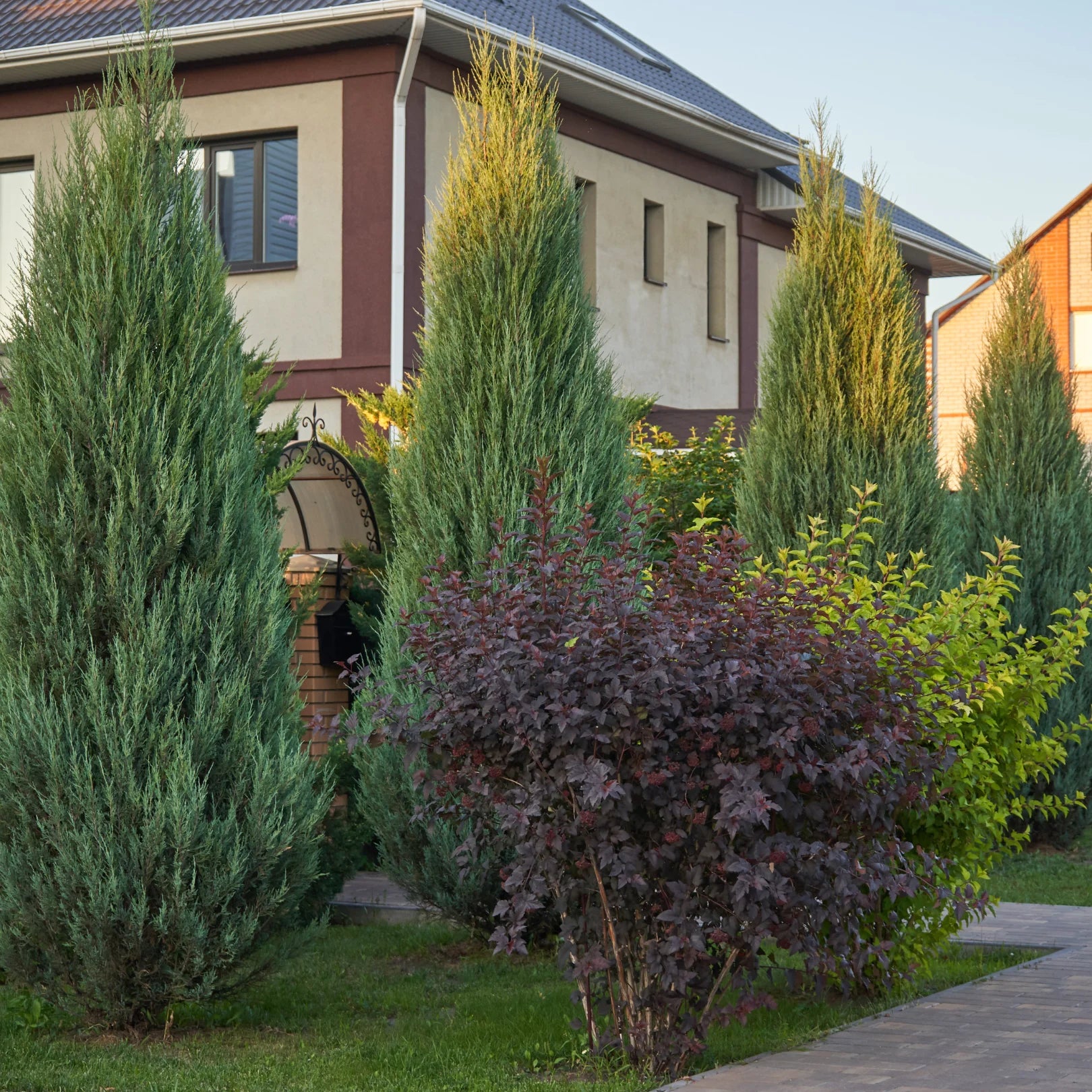
While it can tolerate some partial shade, prolonged periods of limited sunlight will negatively impact its growth rate and overall health. The foliage may become less dense, and the characteristic blue hue may fade.
Soil Conditions
Well-Draining Soil is Essential
The Blue Arrow Juniper prefers well-draining soil. Excess moisture can lead to root rot, a common issue that significantly hinders growth and can ultimately lead to the plant’s demise.
Soil pH and Fertility
It tolerates a range of soil pH levels but thrives in slightly acidic to neutral soil. While it doesn’t require highly fertile soil, moderate fertility can support healthy growth. Avoid over-fertilizing, as this can lead to excessive growth that weakens the plant’s structure.
Watering Practices
Watering Needs During Establishment
Newly planted Blue Arrow Junipers require consistent watering to establish their root systems. Water deeply and regularly during the first year, especially during dry periods.
Established Plant Watering
Once established, the Blue Arrow Juniper is relatively drought-tolerant. However, occasional deep watering during prolonged dry spells can help maintain healthy growth. Avoid overwatering, as this can lead to root problems.
Climate and Temperature
Hardiness Zones
The Blue Arrow Juniper is hardy in USDA hardiness zones 3 to 9, indicating its adaptability to a range of climates. However, extreme temperatures, both hot and cold, can impact its growth rate.
Impact of Extreme Temperatures
Extremely hot and dry conditions can lead to stress, slowing growth and potentially causing foliage damage. Conversely, prolonged periods of freezing temperatures can also hinder growth and cause dieback.
Pruning and Maintenance
Pruning for Shape and Health
While the Blue Arrow Juniper naturally maintains a columnar form, light pruning can help shape it and remove dead or damaged branches. Pruning should be done sparingly, as excessive pruning can stress the plant and slow growth.
Mulching
Applying a layer of mulch around the base of the juniper can help retain soil moisture, regulate soil temperature, and suppress weed growth. This can create a more favorable environment for healthy growth.
Pest and Disease Management
Common Pests and Diseases
The Blue Arrow Juniper is generally resistant to pests and diseases. However, it can be susceptible to spider mites, aphids, and root rot. Regular monitoring and prompt treatment can prevent these issues from impacting growth.
Preventative Measures
Maintaining good air circulation, avoiding overwatering, and ensuring proper drainage can help prevent pest and disease problems.
Optimizing Growth for a Thriving Blue Arrow Juniper
To maximize the growth potential of your Blue Arrow Juniper, consider the following strategies:
Proper Planting Techniques
Choosing the Right Location
Select a location that receives full sun and has well-draining soil. Ensure adequate spacing between plants to allow for proper air circulation.
Preparing the Planting Hole
Dig a hole that is twice as wide as the root ball and slightly shallower. Amend the soil with compost or other organic matter to improve drainage and fertility.
Planting Depth and Backfilling
Place the juniper in the hole, ensuring that the top of the root ball is level with the soil surface. Backfill the hole with the amended soil, firming it gently around the roots.
Initial Watering
Water thoroughly after planting to settle the soil and eliminate air pockets.
Fertilization Strategies
Timing and Frequency
Fertilize the Blue Arrow Juniper in the spring with a balanced slow-release fertilizer. Avoid fertilizing in the fall, as this can stimulate new growth that may be susceptible to frost damage.
Type of Fertilizer
Use a fertilizer formulated for evergreens or a general-purpose slow-release fertilizer. Follow the manufacturer’s instructions for application rates.
Watering After Fertilization
Water thoroughly after fertilizing to help the fertilizer reach the roots.
Ongoing Care and Monitoring
Regular Inspections
Regularly inspect the juniper for signs of pests, diseases, or stress. Address any issues promptly to prevent them from impacting growth.
Seasonal Adjustments
Adjust watering practices based on seasonal changes. Water more frequently during hot, dry periods and less frequently during cooler, wetter periods.
Long-Term Maintenance
Continue to monitor soil conditions, prune as needed, and provide adequate sunlight to support long-term healthy growth.
Conclusion
The Blue Arrow Juniper, with its elegant columnar form and vibrant foliage, is a valuable addition to any landscape. While its growth rate is considered slow to moderate, understanding and managing the various factors that influence its development can help optimize its growth and ensure its long-term health. By providing adequate sunlight, well-draining soil, proper watering, and regular maintenance, you can cultivate a thriving Blue Arrow Juniper that adds vertical interest and beauty to your garden for years to come.
“`


