
Decoding the Creamy Conundrum: A Deep Dive into Alfredo Sauce nutrition
Alfredo sauce, that velvety, decadent staple of Italian-American cuisine, has captivated taste buds for generations. Its rich, buttery flavor makes it a beloved addition to pasta, vegetables, and countless other dishes. However, its reputation as a nutritional indulgence often precedes it. This article aims to unravel the complexities of Alfredo sauce’s nutritional profile, dissecting its components and providing insights for informed consumption.
The classic Alfredo sauce recipe is deceptively simple, relying on a trifecta of ingredients: butter, heavy cream, and Parmesan cheese. These core components contribute significantly to the sauce’s flavor and, inevitably, its nutritional density.
Butter: A Source of Fat and Flavor
Butter, a primary ingredient, is predominantly saturated fat. While saturated fat has been linked to increased LDL cholesterol levels, it also contributes to the sauce’s creamy texture and rich flavor. Moderation is key, as excessive consumption can negatively impact cardiovascular health.
Heavy Cream: The Creamy Backbone
Heavy cream, the second crucial ingredient, further amplifies the fat content. It’s a source of both saturated and unsaturated fats, providing a smooth, luxurious consistency. However, like butter, its high fat content necessitates mindful consumption.
Parmesan Cheese: A Salty, Umami Boost
Parmesan cheese contributes a salty, umami flavor and a dose of protein and calcium. However, it also adds to the sodium and saturated fat content of the sauce.
To understand the nutritional impact of Alfredo sauce, let’s examine a typical serving size, usually around 1/4 cup (approximately 60 ml). This portion size, while seemingly small, can pack a significant nutritional punch.
Calorie Content: A Dense Source of Energy
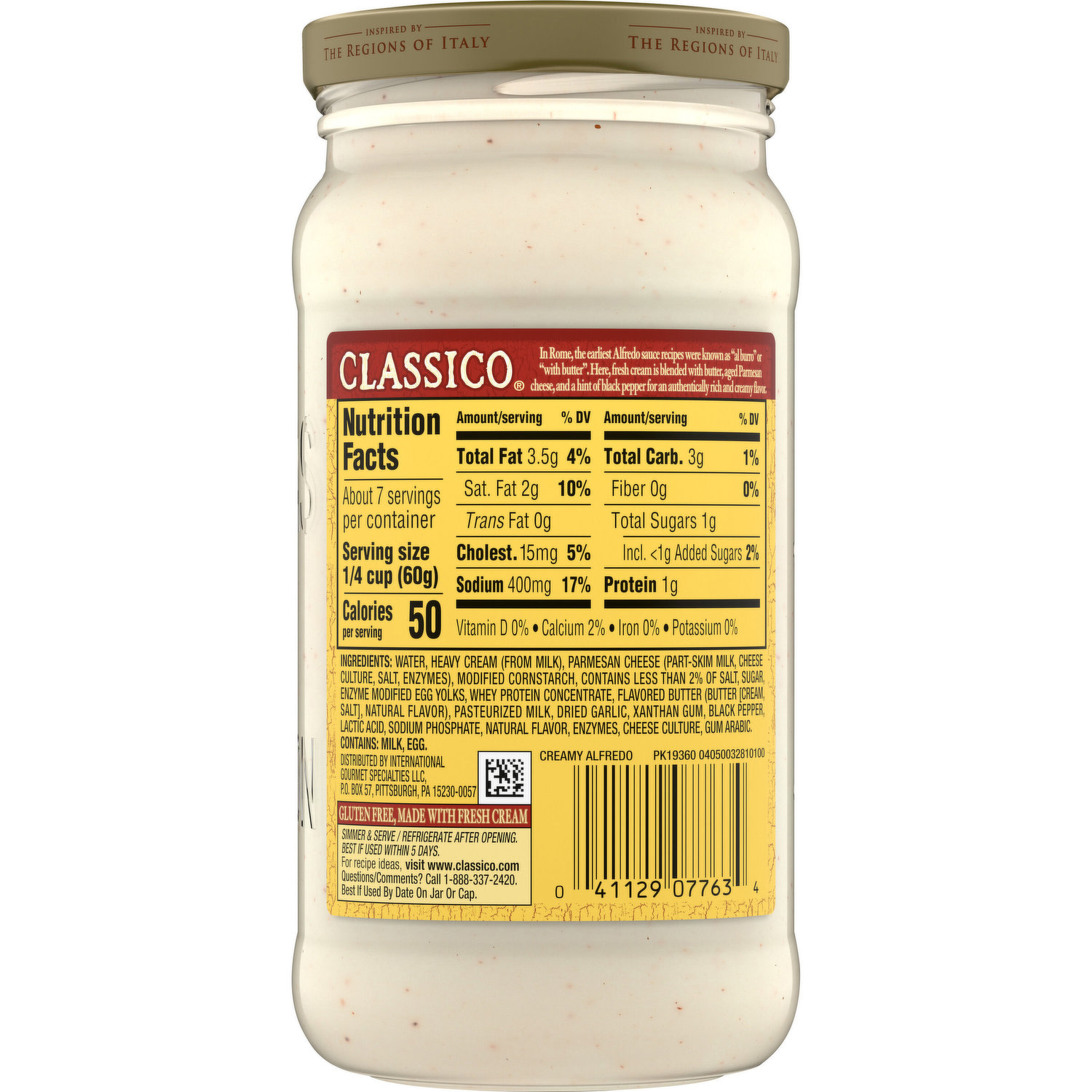
Alfredo sauce is calorie-dense, primarily due to its high fat content. A 1/4 cup serving can range from 150 to 250 calories, depending on the specific recipe and ingredients used. This calorie count can quickly escalate with larger serving sizes or when combined with other calorie-rich foods.
Fat Content: Dominated by Saturated Fats
As mentioned earlier, fat is the dominant macronutrient in Alfredo sauce. A single serving can contain 15 to 25 grams of fat, with a substantial portion being saturated fat. This high saturated fat content is a primary concern for individuals monitoring their cholesterol levels.
Cholesterol: A Result of Animal Products
The butter, heavy cream, and Parmesan cheese contribute to the cholesterol content of Alfredo sauce. A 1/4 cup serving can contain 30 to 50 milligrams of cholesterol, which is a significant portion of the recommended daily intake.
Sodium: A Salty Addition
Parmesan cheese, in particular, contributes to the sodium content of Alfredo sauce. A serving can contain 300 to 500 milligrams of sodium, which is a significant portion of the recommended daily intake for many people.
Carbohydrates: Minimal Contribution
Alfredo sauce contains minimal carbohydrates, typically less than 5 grams per serving. This makes it a relatively low-carb option, albeit a high-fat one.
Protein: A Modest Amount
The protein content of Alfredo sauce is primarily derived from Parmesan cheese. A serving typically contains 5 to 8 grams of protein.
Vitamins and Minerals: Limited Nutritional Value
While Alfredo sauce contains some vitamins and minerals, such as calcium from Parmesan cheese, its overall nutritional value in terms of micronutrients is limited.
Recognizing the nutritional concerns associated with traditional Alfredo sauce, many variations and modifications have emerged to offer lighter alternatives.
Reduced-Fat Versions: Swapping Ingredients
Reduced-fat versions often substitute heavy cream with milk, half-and-half, or even Greek yogurt. These substitutions significantly lower the fat and calorie content, although they may slightly alter the texture and flavor.
Vegetable-Based Alternatives: A Healthier Approach
Vegetable-based Alfredo sauces, such as those using cauliflower or cashews, offer a healthier approach. These alternatives are typically lower in fat and calories and higher in fiber and vitamins.
Lower-Sodium Options: Adjusting the Cheese
Using lower-sodium Parmesan cheese or reducing the amount of cheese can help lower the sodium content of the sauce.
Increased Fiber: Adding Vegetables
Adding vegetables such as broccoli, spinach, or mushrooms to Alfredo sauce can increase its fiber content and overall nutritional value.
While Alfredo sauce can be a delicious addition to meals, it’s essential to consume it mindfully.
Portion Control: Limiting Intake
Practicing portion control is crucial. Limiting serving sizes to 1/4 cup or less can help manage calorie and fat intake.
Frequency of Consumption: Occasional Indulgence
Alfredo sauce should be treated as an occasional indulgence rather than a regular staple.
Balanced Meals: Complementary Foods
Pairing Alfredo sauce with lean protein, such as grilled chicken or fish, and plenty of vegetables can create a more balanced meal.
Homemade vs. Store-Bought: Ingredient Awareness
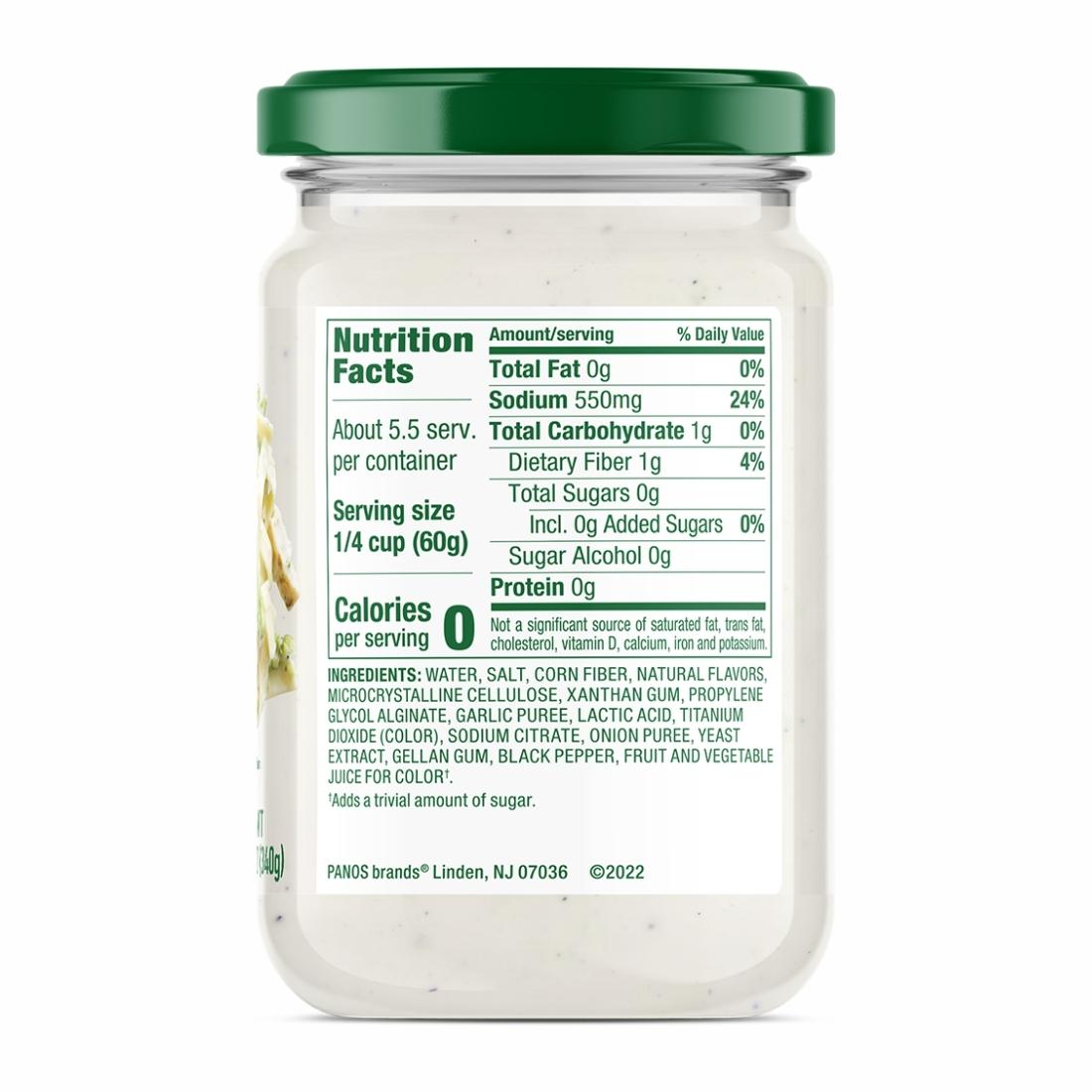
Homemade Alfredo sauce allows for greater control over ingredients and portion sizes. Store-bought versions may contain added preservatives, stabilizers, and higher levels of sodium and fat.
Reading Labels: Nutritional Transparency
When purchasing store-bought Alfredo sauce, carefully read the nutrition label to understand the calorie, fat, sodium, and cholesterol content.
Certain individuals should be particularly cautious about consuming Alfredo sauce.
Individuals with High Cholesterol: Saturated Fat and Cholesterol
The high saturated fat and cholesterol content can negatively impact cholesterol levels.
Individuals with High Blood Pressure: Sodium Content
The high sodium content can contribute to elevated blood pressure.
Individuals with Weight Management Goals: Calorie Density
The calorie density of Alfredo sauce can hinder weight management efforts.
Individuals with Lactose Intolerance: Dairy Sensitivity
Traditional Alfredo sauce contains dairy, which can be problematic for individuals with lactose intolerance.
Alfredo sauce, while undeniably delicious, is a nutritional indulgence that should be enjoyed in moderation. Understanding its nutritional profile and making informed choices can allow for occasional enjoyment without compromising overall health. By practicing portion control, exploring lighter alternatives, and pairing it with balanced meals, individuals can savor the creamy goodness of Alfredo sauce while maintaining a healthy lifestyle.


