
The Comprehensive Guide to Lawn growth Regulators: Achieving a Perfect Turf
Lawn growth regulators (LGRs) are increasingly popular tools for homeowners and professional turf managers alike. These products offer a way to manage lawn growth, reduce mowing frequency, and improve overall turf quality. This comprehensive guide will delve into the science, application, and benefits of LGRs, helping you understand how to achieve a healthier, more manageable lawn.
Understanding Lawn Growth Regulators
LGRs are chemical compounds that influence plant growth by interfering with hormone production, specifically gibberellic acid. Gibberellins are responsible for cell elongation, which drives vertical growth in plants. By inhibiting gibberellin synthesis, LGRs slow down the upward growth of grass, resulting in a denser, more compact turf.
Types of Lawn Growth Regulators
There are several categories of LGRs, each with different modes of action and application considerations. Understanding these differences is crucial for selecting the right product for your lawn.
Class A: Type I Growth Regulators (Cell Division Inhibitors)

These LGRs, such as mefluidide, primarily inhibit cell division. They are often used for temporary growth suppression and are effective in reducing seedhead formation.
Class B: Type II Growth Regulators (Gibberellin Inhibitors)
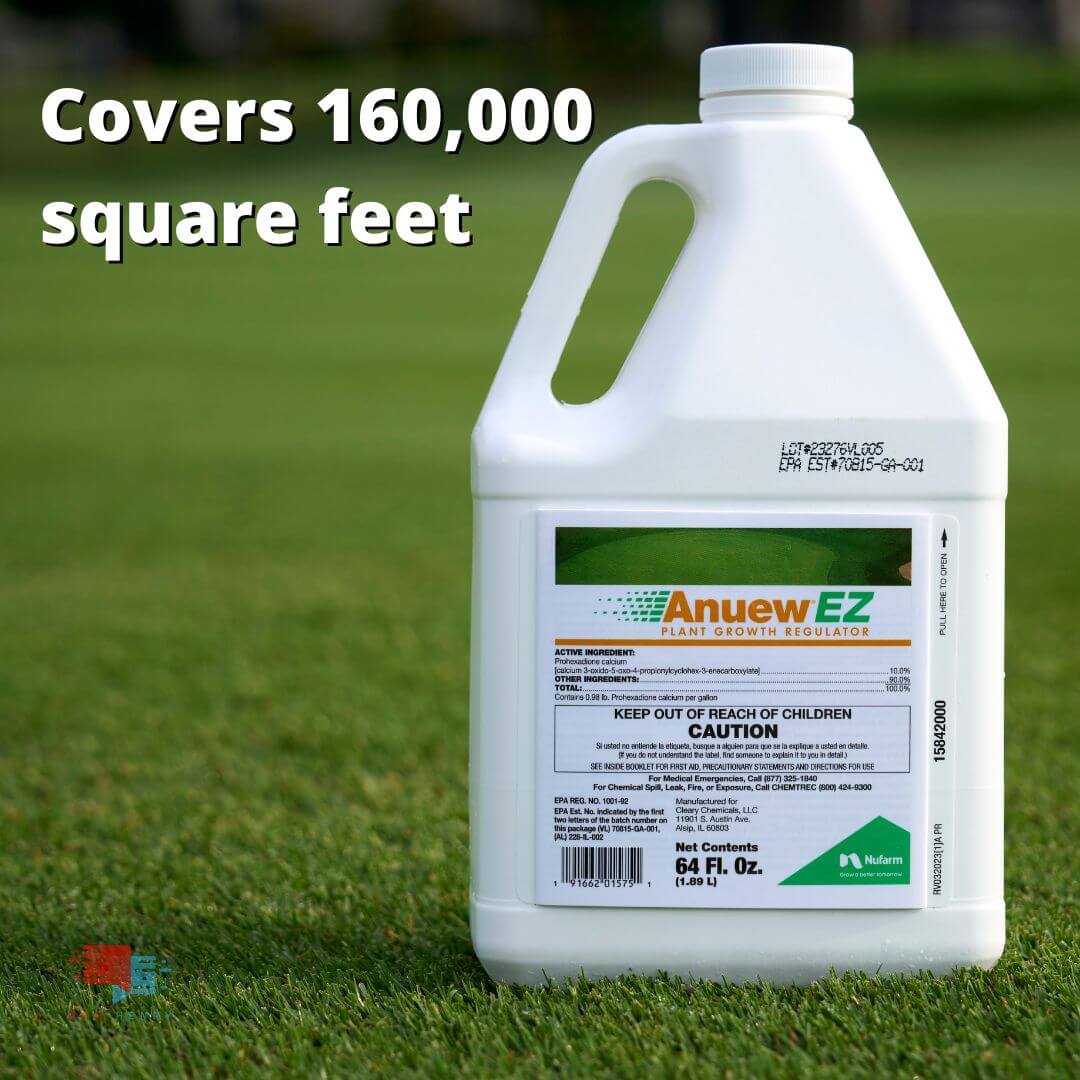
These are the most common LGRs used in turf management, including products containing trinexapac-ethyl and prohexadione-calcium.
Class C: Type III Growth Regulators (Ethylene Production Stimulants)
These LGRs, such as ethephon, stimulate ethylene production, which can suppress growth and promote ripening in some plants.
Benefits of Using Lawn Growth Regulators
LGRs offer numerous advantages for maintaining a healthy and attractive lawn.
Reduced Mowing Frequency
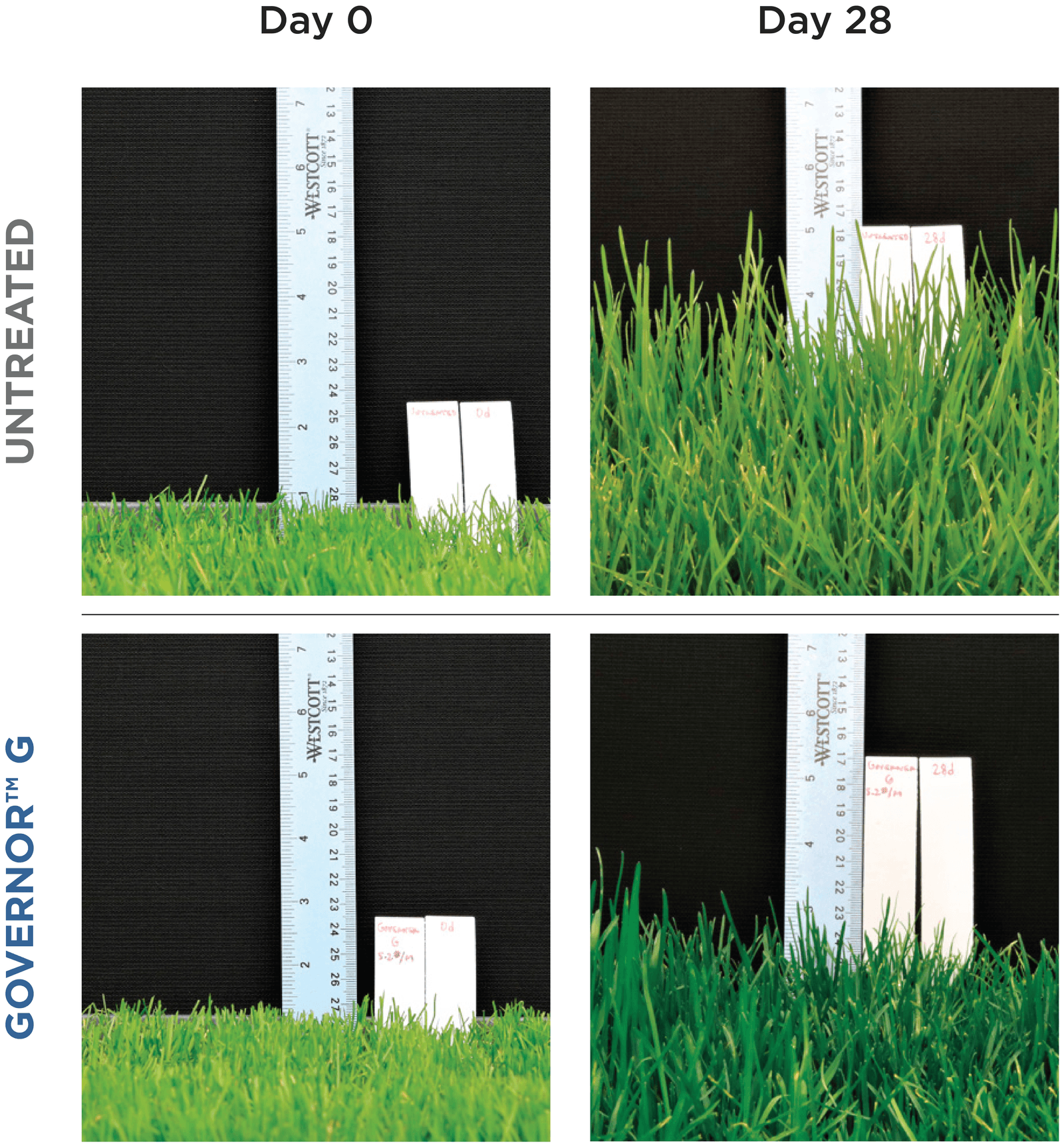
The primary benefit of LGRs is a significant reduction in mowing frequency. This saves time, effort, and fuel.
Improved Turf Density and Color
By slowing vertical growth, LGRs encourage lateral growth, resulting in a denser and more robust turf.
Enhanced Stress Tolerance
LGRs can improve the turf’s ability to withstand environmental stresses, such as drought and heat.
Reduced Seedhead Production
Some LGRs can effectively suppress seedhead formation, leading to a smoother and more uniform lawn.
Improved Playability of Sports Turf
LGRs are vital for sports turf management, as they create a consistent and durable playing surface.
Application of Lawn Growth Regulators
Proper application is crucial for achieving the desired results with LGRs.
Timing
The optimal timing for LGR application depends on the specific product and the desired outcome.
Application Rate
It is essential to follow the manufacturer’s instructions regarding application rates.
Application Method
LGRs are typically applied as a foliar spray using a calibrated sprayer.
Environmental Conditions
Apply LGRs during calm weather conditions to minimize drift.
Considerations and Precautions
While LGRs offer numerous benefits, it’s essential to consider potential drawbacks and take necessary precautions.
Turf Discoloration
Some LGRs, particularly Type I LGRs, can cause temporary turf discoloration.
Rebound Effect
After the effects of LGRs wear off, there may be a period of accelerated growth known as the rebound effect.
Environmental Impact
Like any chemical product, LGRs can have potential environmental impacts.
Cost
LGR’s can add to the cost of lawn maintainence.
Compatibility
Selecting the Right Lawn Growth Regulator
Choosing the appropriate LGR depends on several factors, including the type of turfgrass, desired level of growth suppression, and environmental conditions.
Turfgrass Type
Different turfgrass species respond differently to LGRs.
Desired Growth Suppression
Consider the level of growth suppression you need.
Environmental Conditions
Choose an LGR that is suitable for the environmental conditions in your area.
Budget
Integrating Lawn Growth Regulators into a Turf Management Program
LGRs are most effective when integrated into a comprehensive turf management program.
Fertilization
Proper fertilization is essential for healthy turf.
Water Management
Adequate watering is crucial for maintaining turf health.
Mowing Practices
Even with LGRs, some mowing will still be necessary.
Aeration and Thatch Control
Aeration and thatch control are essential for maintaining healthy soil and promoting root growth.
The Future of Lawn Growth Regulators
The field of LGR technology is continually evolving, with ongoing research focused on developing more effective and environmentally friendly products. Future advancements may include:
Improved Formulations
Enhanced Environmental Safety
Precision Application Technologies
Biostimulant Integration
By understanding the science, application, and benefits of lawn growth regulators, homeowners and turf professionals can effectively manage lawn growth, improve turf quality, and create a healthier, more beautiful landscape.


