
The Product-Led growth Bumper: Navigating the Accelerated Lane to Customer Acquisition
In the ever-evolving landscape of software and digital products, traditional sales and marketing models are increasingly being challenged. The rise of empowered, self-directed users, coupled with the proliferation of SaaS and freemium models, has ushered in a new era: Product-Led Growth (PLG). This isn’t just a buzzword; it’s a fundamental shift in how businesses acquire, retain, and expand their customer base.
At its core, PLG places the product experience at the heart of the customer journey. Instead of relying solely on sales pitches and marketing campaigns, companies leveraging PLG prioritize delivering value directly through their product. The product itself becomes the primary driver of acquisition, activation, retention, and referral.
However, implementing PLG isn’t a simple switch. It requires a fundamental rethinking of product development, marketing, sales, and customer success. To successfully navigate this transition, companies need to understand the concept of the “PLG bumper” – the strategic adjustments and investments required to accelerate and amplify the impact of a product-led approach.
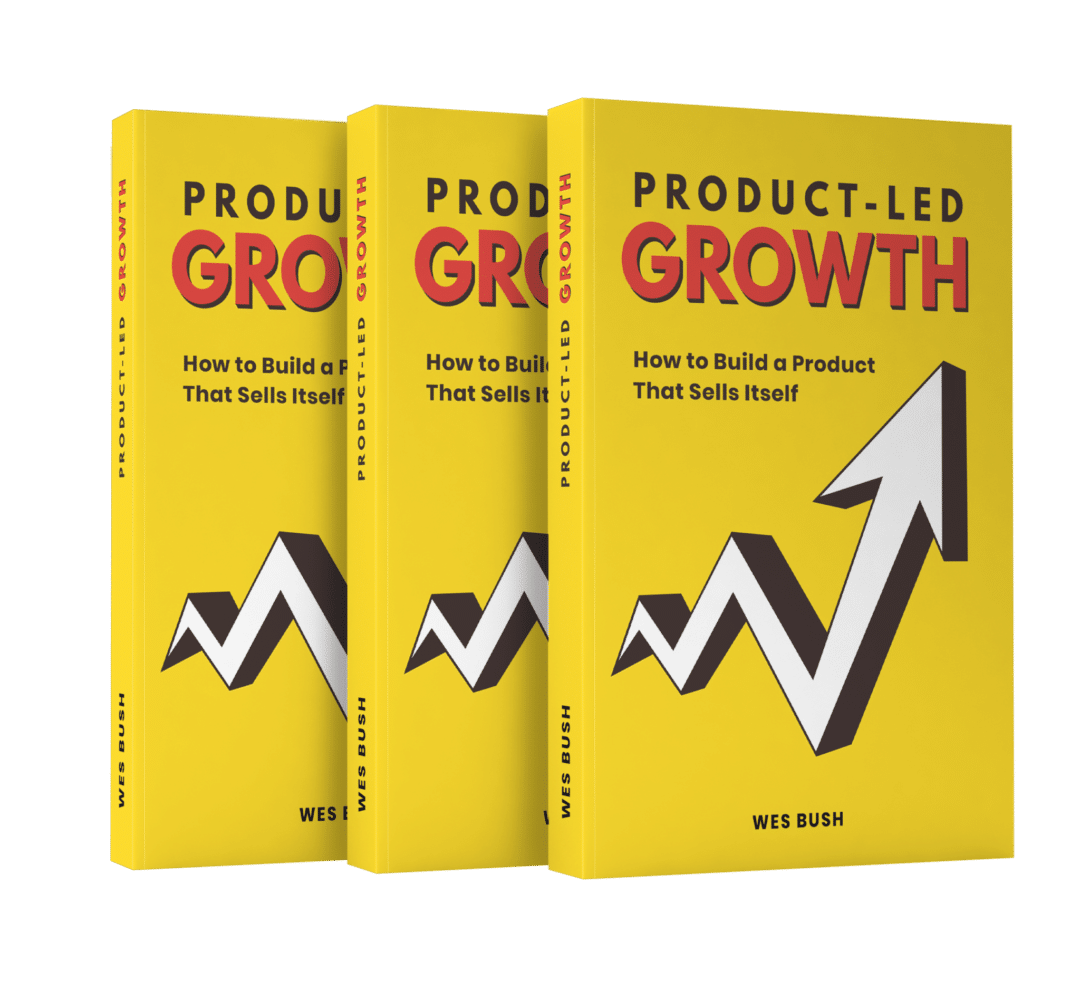
The PLG bumper represents the necessary investments and changes that act as catalysts for accelerating product-led growth. It’s about recognizing that simply having a good product isn’t enough. You need to actively optimize the entire user experience to drive adoption and expansion.
The Importance of a Seamless First Experience
First impressions matter. In a PLG model, the initial onboarding experience is critical. Users need to quickly understand the product’s value and experience a “wow” moment. Frictionless onboarding means minimizing barriers to entry and guiding users towards key activation milestones.
Strategies for Optimizing Onboarding:
Interactive Tutorials and Walkthroughs
Instead of relying on lengthy documentation, provide interactive tutorials that guide users through key features and workflows. Use tooltips, in-app messages, and guided tours to provide context and support.
Personalized Onboarding Flows

Tailor the onboarding experience based on user roles, use cases, or industry. Collect relevant information upfront and use it to personalize the onboarding journey.
Simplified Sign-Up and Access
Minimize the number of required fields and offer multiple sign-up options, such as social login or single sign-on (SSO). Consider offering a free trial or freemium version to allow users to experience the product without commitment.
Progress Indicators and Checklists
Use progress indicators and checklists to guide users through key onboarding steps and provide a sense of accomplishment.
The Power of Product Analytics
PLG relies heavily on data to understand user behavior and identify areas for improvement. Implement robust product analytics tools to track key metrics such as user engagement, feature adoption, and conversion rates.
Leveraging Data for Optimization:
Funnel Analysis
Analyze user funnels to identify drop-off points and optimize the user experience at each stage. Identify where users are getting stuck and address those pain points.
A/B Testing
Conduct A/B testing to experiment with different onboarding flows, feature designs, and pricing models. Continuously iterate and optimize based on data insights.
User Feedback and Surveys
Collect user feedback through in-app surveys, feedback forms, and user interviews. Understand user pain points, feature requests, and overall satisfaction levels.
Cohort Analysis
Segment users into cohorts based on their behavior, demographics, or other relevant factors. Analyze cohort performance to identify patterns and trends.
The Product as a Marketing Channel
In a PLG model, the product itself becomes a powerful marketing channel. Leverage in-app messaging, notifications, and educational content to engage users and promote key features.
Strategies for In-Product Marketing:
Contextual In-App Messages
Deliver targeted messages based on user behavior and context. Highlight new features, provide tips and tricks, and promote relevant content.
In-App Help and Support
Provide easy access to help documentation, FAQs, and support resources within the product. Offer in-app chat or live support to address user questions and issues in real-time.
Educational Content and Webinars
Create educational content, such as blog posts, videos, and webinars, to help users maximize the value of the product. Promote this content within the product to drive engagement and adoption.
Feature Discovery and Promotion
Highlight new and underutilized features through in-app announcements, tooltips, and guided tours. Encourage users to explore and adopt these features.
Cultivating a Loyal User Base
Building a strong community around your product can be a powerful driver of growth. Encourage user interaction, facilitate knowledge sharing, and foster a sense of belonging.
Strategies for Community Building:
Online Forums and Communities
Create online forums or communities where users can connect, ask questions, and share best practices. Use platforms like Slack, Discord, or dedicated community platforms.
User Groups and Events
Organize user groups or events to bring users together and facilitate face-to-face interaction. Provide opportunities for networking, learning, and feedback.
User Advocacy Programs
Identify and empower your most enthusiastic users to become advocates for your product. Provide them with resources, recognition, and opportunities to contribute to the community.
User-Generated Content
Encourage users to create and share content related to your product, such as tutorials, reviews, and case studies. Amplify this content through your marketing channels.
Driving Revenue Growth Through Product Usage
PLG emphasizes driving revenue growth through product usage and expansion. Instead of relying on traditional sales tactics, focus on providing value and encouraging users to upgrade to higher-tier plans or add-on features.
Strategies for Expansion and Upselling:
Usage-Based Pricing
Implement usage-based pricing models that align with the value users receive from the product. This allows users to scale their usage as their needs grow.
In-Product Upsell Prompts
Display targeted upsell prompts within the product based on user behavior and usage patterns. Highlight the benefits of upgrading to higher-tier plans or add-on features.
Feature Gating and Tiered Access
Offer tiered access to features based on subscription plans. Allow users to experience the value of premium features before upgrading.
Automated Upgrade Recommendations
Use data to identify users who are likely to benefit from upgrading and provide automated upgrade recommendations. Personalize recommendations based on user needs and usage patterns.
Breaking Down Silos for PLG Success
PLG requires close collaboration between product, marketing, sales, and customer success teams. Break down silos and foster a culture of shared ownership and accountability.
Strategies for Cross-Functional Alignment:
Shared Metrics and Goals
Establish shared metrics and goals across teams to align efforts and track progress. Focus on key PLG metrics such as product qualified leads (PQLs), activation rates, and retention rates.
Regular Communication and Collaboration
Facilitate regular communication and collaboration between teams through cross-functional meetings, workshops, and communication channels.
Product-Centric Culture
Foster a product-centric culture where everyone understands the importance of the product experience and its impact on customer acquisition and growth.
Empowered Product Teams
Empower product teams to make data-driven decisions and iterate quickly. Provide them with the resources and autonomy they need to succeed.
The PLG bumper is not a one-size-fits-all solution. It requires a tailored approach based on your specific product, target market, and business goals. By focusing on frictionless onboarding, data-driven optimization, in-product marketing, community building, seamless expansion, and cross-functional alignment, you can accelerate your product-led growth journey and unlock significant value for your business. Remember that PLG is an ongoing process of iteration and improvement. Continuously monitor your progress, adapt to changing market conditions, and strive to deliver exceptional value to your users. By embracing the PLG bumper, you can navigate the accelerated lane to customer acquisition and build a sustainable, product-driven business.


