
“`html
Black Hills Spruce growth Rate: A Comprehensive Guide
Black Hills Spruce Growth Rate: A Comprehensive Guide
The Black Hills spruce (Picea glauca var. densata) is a hardy evergreen conifer native to the Black Hills region of South Dakota and Wyoming. Renowned for its dense, compact growth and attractive blue-green needles, it’s a popular choice for landscaping and windbreaks. Understanding its growth rate is crucial for successful cultivation and management. This article delves into the various factors influencing the Black Hills spruce’s growth, providing a comprehensive overview for enthusiasts and professionals alike.
Introduction to Black Hills Spruce
The Black Hills spruce is a variety of the white spruce (Picea glauca), distinguished by its slower growth and denser branching. This makes it particularly well-suited for areas with limited space or where a more compact, formal appearance is desired. Its adaptability to harsh climates and poor soils further enhances its appeal.
Typical Growth Rate

Generally, the Black Hills spruce is considered a slow-growing conifer. On average, it grows about 6 to 12 inches (15 to 30 cm) per year. However, this rate can vary significantly depending on several factors, which will be discussed in detail.
Factors Influencing Growth Rate
Soil Conditions
Soil quality plays a pivotal role in the Black Hills spruce’s growth. Well-drained, slightly acidic to neutral soils are optimal. Heavy clay or compacted soils can impede root development and nutrient uptake, leading to slower growth. Conversely, rich, loamy soils provide the necessary nutrients and moisture retention for healthy growth.
Water Availability
While the Black Hills spruce is relatively drought-tolerant once established, consistent moisture is essential, especially during the initial years of growth. Adequate watering, particularly during dry spells, promotes robust root development and overall vigor. Overwatering, however, can lead to root rot and other issues.
Sunlight Exposure
Like most conifers, the Black Hills spruce thrives in full sun. At least six hours of direct sunlight per day are ideal. Insufficient sunlight can result in slower growth, sparse branching, and reduced needle density. Partial shade may be tolerated, but it will likely affect the tree’s overall form and growth rate.
Climate and Temperature
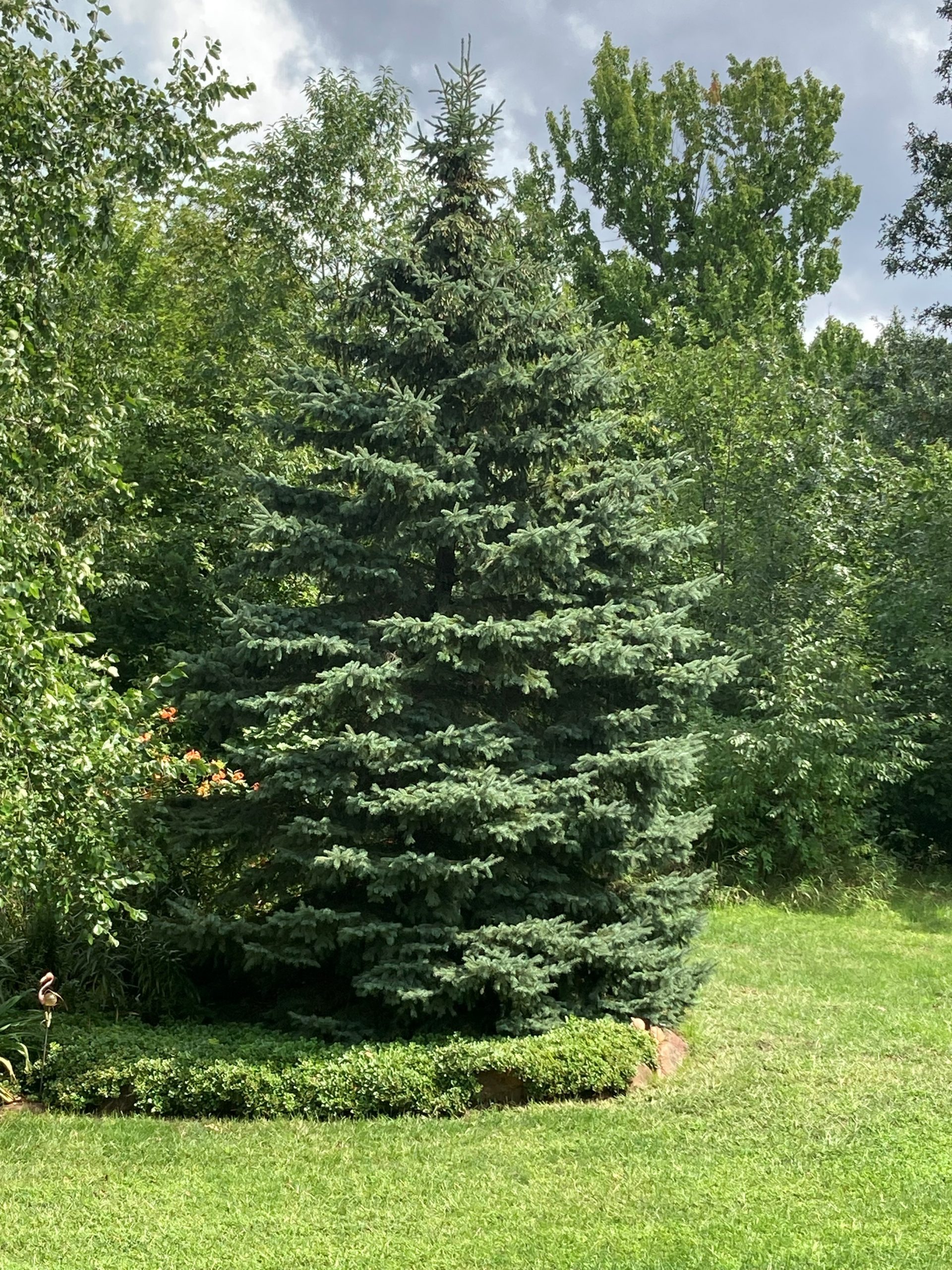
The Black Hills spruce is well-adapted to cold climates. It can withstand temperatures as low as -40°F (-40°C). However, extreme temperature fluctuations, prolonged periods of drought, or unusually hot summers can stress the tree and slow its growth. A consistent, moderate climate is conducive to optimal growth.
Nutrient Availability
Adequate nutrient availability is crucial for healthy growth. Soil testing can help determine any nutrient deficiencies. Fertilizing with a balanced, slow-release fertilizer in the spring can provide the necessary nutrients. However, over-fertilization can be detrimental, so it’s essential to follow the manufacturer’s instructions.
Competition
Competition from weeds, grasses, and other plants can hinder the Black Hills spruce’s growth. These competing plants can rob the tree of essential nutrients, water, and sunlight. Regular weeding and mulching can help minimize competition and promote healthy growth.
Pests and Diseases
While relatively resistant to pests and diseases, the Black Hills spruce can be affected by certain issues. Spruce spider mites, needle cast, and cytospora canker are among the common problems. Regular monitoring and prompt treatment can help prevent significant damage and maintain healthy growth.
Genetics

Like any living organism, the Black Hills spruce’s growth rate is also influenced by its genetics. Some individual trees may naturally grow faster or slower than others. Selecting healthy, vigorous seedlings from reputable nurseries can increase the likelihood of optimal growth.
Altitude and Aspect
In its native range, the Black Hills spruce grows at varying altitudes and aspects. Higher altitudes and north-facing slopes tend to have cooler temperatures and higher moisture levels, which can influence growth rates. Lower altitudes and south-facing slopes may experience drier and warmer conditions, potentially leading to slower growth.
Growth Stages
Seedling Stage (First 1-3 Years)
The seedling stage is critical for the Black Hills spruce’s establishment. During this period, the tree focuses on developing a strong root system. Growth above ground may be slow, with only a few inches of new growth per year. Consistent watering and weed control are essential during this stage.
Juvenile Stage (3-10 Years)
As the tree enters the juvenile stage, its growth rate gradually increases. New growth may range from 6 to 12 inches per year, depending on environmental conditions. Branching becomes denser, and the tree begins to develop its characteristic conical shape. Regular pruning can help maintain a compact form.
Mature Stage (10+ Years)
In the mature stage, the Black Hills spruce’s growth rate may slow down slightly. However, it continues to add new growth and maintain its dense, attractive appearance. Mature trees are more tolerant of drought and other environmental stresses. Regular maintenance, including pruning and fertilization, can help prolong their lifespan.
Practical Tips for Enhancing Growth
Proper Planting Techniques
Planting the Black Hills spruce at the correct depth and spacing is crucial for healthy growth. Dig a hole that is twice as wide as the root ball and slightly shallower. Ensure the tree is planted at the same depth it was in the nursery container. Backfill the hole with soil and water thoroughly.
Mulching
Applying a layer of mulch around the base of the tree helps retain moisture, suppress weeds, and regulate soil temperature. Use organic mulch, such as wood chips or pine straw, and keep it a few inches away from the trunk to prevent rot.
Watering Schedule
Establish a consistent watering schedule, especially during the first few years. Water deeply and thoroughly, allowing the soil to dry slightly between waterings. Avoid overwatering, which can lead to root rot. Monitor soil moisture levels and adjust the watering schedule as needed.
Fertilization
Conduct a soil test to determine any nutrient deficiencies. Fertilize with a balanced, slow-release fertilizer in the spring. Follow the manufacturer’s instructions and avoid over-fertilization. Consider using a fertilizer specifically formulated for evergreens.
Pruning
Regular pruning can help maintain a compact form and promote healthy growth. Remove dead, damaged, or diseased branches. Prune lightly to maintain the tree’s natural shape. Avoid heavy pruning, which can stress the tree.
Pest and Disease Management
Regularly inspect the tree for signs of pests or diseases. Early detection and prompt treatment can help prevent significant damage. Use appropriate pesticides or fungicides as needed, following the manufacturer’s instructions.
Comparison with Other Spruce Varieties
White Spruce (Picea glauca)
The white spruce, the parent species of the Black Hills spruce, generally grows faster and taller. It typically adds 12 to 24 inches of new growth per year. However, it is less dense and compact than the Black Hills spruce.
Colorado Blue Spruce (Picea pungens)
The Colorado blue spruce is another popular conifer known for its striking blue needles. It grows at a moderate rate, typically adding 8 to 15 inches of new growth per year. It is more tolerant of dry conditions than the Black Hills spruce.
Norway Spruce (Picea abies)
The Norway spruce is a fast-growing conifer, often adding 24 inches or more of new growth per year. It is known for its graceful, drooping branches and is commonly used for windbreaks and shelterbelts.
Conclusion
The Black Hills spruce is a valuable and attractive conifer that offers numerous benefits for landscaping and windbreaks. While its growth rate is relatively slow, it can be enhanced through proper care and management. Understanding the factors that influence its growth, from soil conditions and water availability to sunlight exposure and nutrient availability, is essential for successful cultivation. By following the practical tips outlined in this article, you can ensure that your Black Hills spruce thrives and adds beauty to your landscape for many years to come.
“`


