
The Explosive Bloom: Unveiling the Intertwined World of Rapid Algae growth and Microscopic Insect Proliferation
The seemingly tranquil surface of a pond, aquarium, or even a neglected birdbath can, within a startlingly short period, transform into a vibrant, often unsettling, spectacle of green. This phenomenon, known as rapid algae growth, is not merely a cosmetic issue. It represents a complex ecological shift, often accompanied by a surge in populations of minute insects, creating a dynamic and interconnected microcosm. This article delves into the intricate relationship between these two phenomena, exploring the underlying mechanisms, the environmental factors that trigger them, and the broader implications for aquatic ecosystems.
What is Algae?
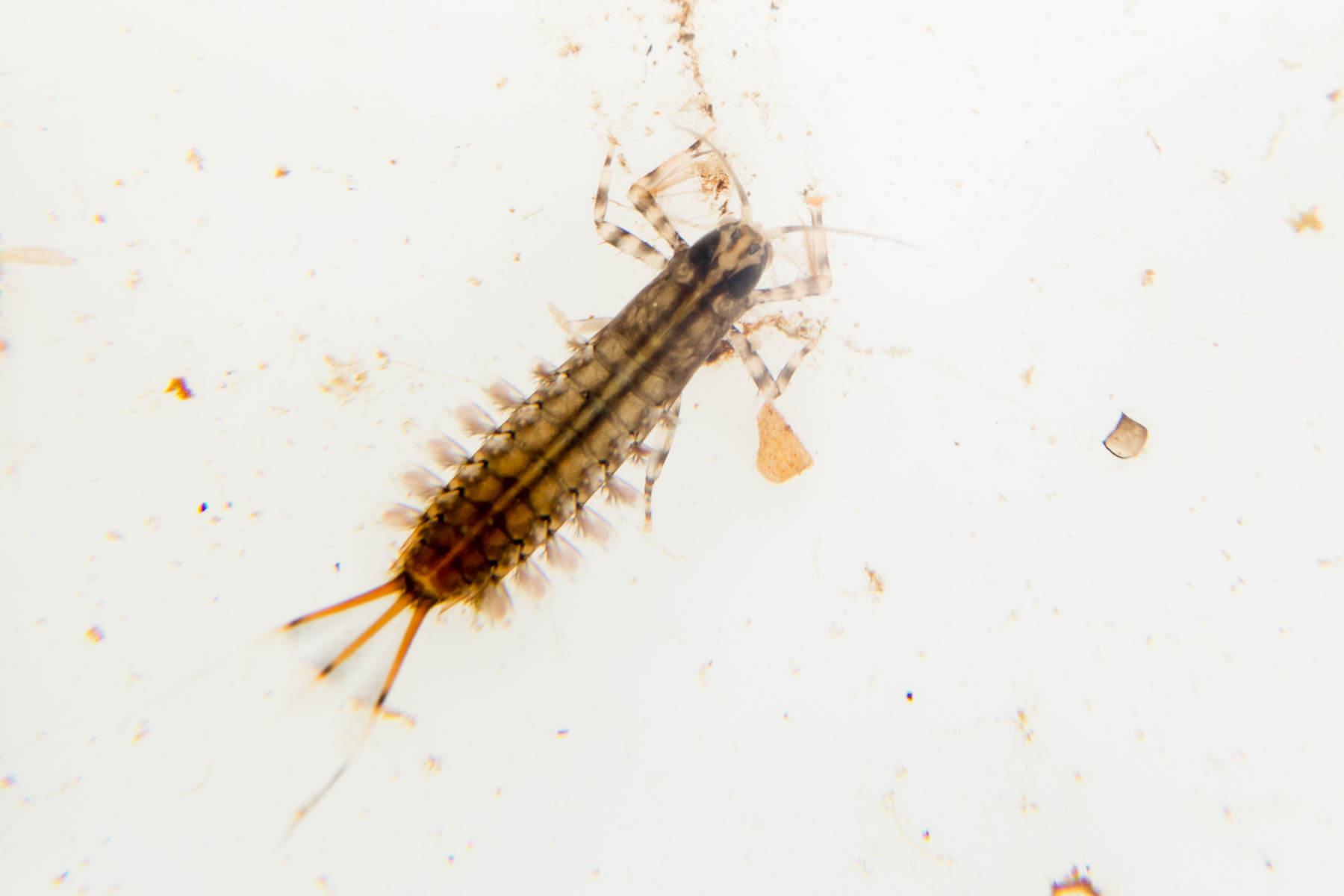
Algae are a diverse group of aquatic, photosynthetic organisms that range from microscopic single-celled entities to large multicellular seaweeds. They are fundamental to aquatic ecosystems, acting as primary producers, converting sunlight and nutrients into organic matter. However, when conditions are favorable, algae can experience explosive growth, leading to what is commonly referred to as an “algal bloom.”
Factors Contributing to Algal Blooms
Several factors contribute to rapid algae growth:
Excess Nutrients:
The most significant driver of algal blooms is an overabundance of nutrients, particularly nitrogen and phosphorus. These nutrients often originate from agricultural runoff, sewage discharge, and urban stormwater.
Sunlight:
Algae, being photosynthetic, require sunlight to thrive. Increased sunlight intensity and duration can accelerate their growth rate.
Temperature:

Warmer water temperatures generally promote faster algal growth. This is particularly true for certain species of algae that prefer warmer conditions.
Water Stagnation:
Slow-moving or stagnant water bodies allow nutrients to accumulate and algae to proliferate.
pH Levels:
A Hidden World of Invertebrates
Algal blooms create a rich and dynamic environment that attracts a diverse array of microscopic insects. These invertebrates play crucial roles in the aquatic food web, acting as both consumers of algae and prey for larger organisms.
Common Insect Inhabitants of Algal Blooms
Mosquito Larvae:
Mosquitoes lay their eggs in stagnant water, and the resulting larvae feed on algae and organic matter.
Midge Larvae:
Midge larvae, like mosquito larvae, are aquatic and feed on algae and detritus.
Daphnia (Water Fleas):
Daphnia are tiny crustaceans that feed on algae and bacteria.
Copepods:
Ostracods (Seed Shrimp):
The Interplay Between Algae and Insects
Algae as a Food Source:
Algae provide a primary food source for many microscopic insects, supporting their growth and reproduction.
Insects as Algae Consumers:
Some insects, like Daphnia, act as grazers, consuming algae and helping to regulate their populations.
Nutrient Cycling:
Insects contribute to nutrient cycling in aquatic ecosystems.
Predator-Prey Dynamics:
The abundance of insects in algal blooms attracts predators, such as fish and larger invertebrates.
Water Quality Degradation
Oxygen Depletion:
Dense algal blooms can lead to oxygen depletion in the water, particularly at night when algae consume oxygen for respiration.
Toxin Production:
Some algae species, particularly cyanobacteria (blue-green algae), produce toxins that can be harmful to humans and animals.
Reduced Water Clarity:
Algal blooms reduce water clarity, making it difficult for sunlight to penetrate the water column.
Ecological Disruption
Loss of Biodiversity:
Algal blooms can create an environment that favors certain species, leading to a reduction in overall biodiversity.
Food Web Alterations:
The surge in algal and insect populations can disrupt the balance of the food web, leading to cascading effects throughout the ecosystem.
Economic Impacts:
Algal blooms can have significant economic impacts, affecting water treatment costs, tourism, and fisheries.
Prevention Strategies
Nutrient Reduction:
Reducing nutrient inputs from agricultural runoff, sewage discharge, and urban stormwater is crucial.
Water Circulation:
Increasing water circulation can help to disperse algae and nutrients, reducing the likelihood of blooms.
Habitat Restoration:
Restoring natural habitats, such as wetlands, can help to filter nutrients and improve water quality.
Control Measures
Chemical Treatments:
Algaecides can be used to kill algae, but they can also have negative impacts on other aquatic organisms.
Biological Controls:
Introducing organisms that consume algae, such as Daphnia or certain fish species, can help to regulate algal populations.
Physical Removal:
Physical removal of algae, such as skimming or filtering, can be effective in small water bodies.
Rapid algae growth and the accompanying proliferation of microscopic insects represent a complex and interconnected phenomenon with significant environmental and ecological implications. Understanding the underlying mechanisms and the factors that drive these events is crucial for developing effective management strategies. By reducing nutrient inputs, improving water circulation, and implementing responsible control measures, we can mitigate the negative impacts of algal blooms and maintain the health and balance of our The delicate balance between algal growth and the associated insect populations demonstrates the intricacies of natural systems, and the important role all organisms, even the smallest, play in the overall health of the environment.


