
The nutritional Powerhouse of the Bering Sea: A Deep Dive into Alaskan Pollock
Alaskan pollock, a mild-flavored, flaky whitefish, is a staple in global seafood consumption. Beyond its culinary versatility, it boasts a remarkable nutritional profile, making it a valuable addition to a healthy diet. This article delves into the comprehensive nutritional information of Alaskan pollock, exploring its benefits and highlighting its role in a balanced lifestyle.
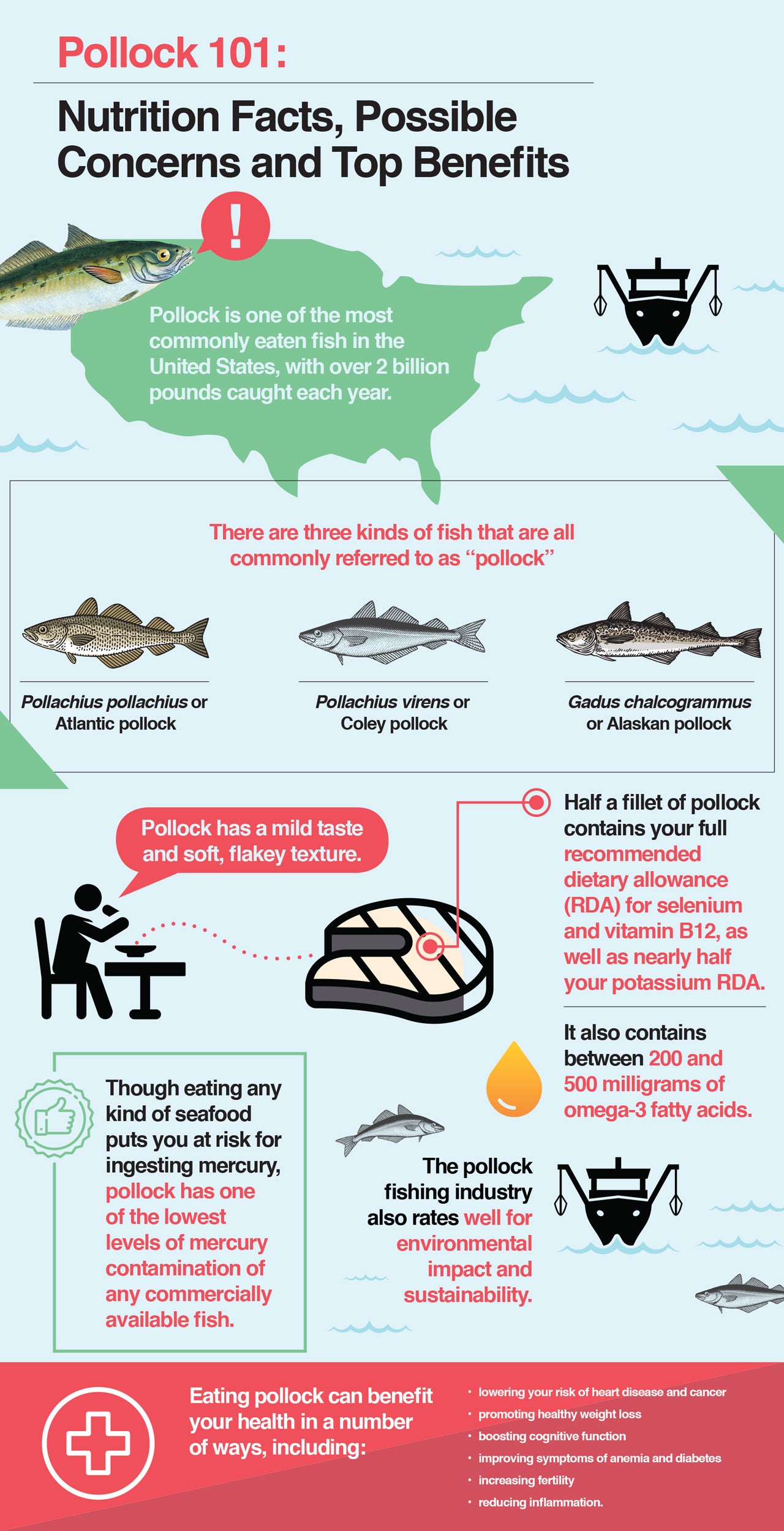
Alaskan pollock ( Gadus chalcogrammus) is a groundfish species abundant in the North Pacific, particularly the Bering Sea and Gulf of Alaska. It is a lean, protein-rich fish, known for its delicate texture and subtle flavor. Its widespread availability and sustainable management practices have contributed to its popularity as a key source of seafood.

Protein: A Lean Muscle Builder
Alaskan pollock is an excellent source of high-quality protein, essential for building and repairing tissues, supporting enzyme and hormone production, and maintaining overall bodily functions. A typical 3-ounce (85-gram) cooked serving of Alaskan pollock provides approximately 17-20 grams of protein, depending on the specific preparation method. This makes it a valuable protein source for individuals of all ages, including athletes, growing children, and older adults.
Fat: Low in Saturated Fat, Rich in Omega-3s
Alaskan pollock is naturally low in fat, particularly saturated fat, which contributes to its lean profile. The total fat content in a 3-ounce serving is typically less than 1 gram. However, it is a significant source of beneficial omega-3 fatty acids, particularly eicosapentaenoic acid (EPA) and docosahexaenoic acid (DHA). These omega-3s are crucial for heart health, brain function, and reducing inflammation.
Carbohydrates: Virtually None
Alaskan pollock contains negligible amounts of carbohydrates, making it a suitable choice for individuals following low-carb or ketogenic diets.
Vitamins: A Spectrum of Essential Nutrients
Alaskan pollock is a good source of several essential vitamins, including:
Vitamin B12: Essential for Nerve Function and Red Blood Cell Formation
Vitamin B12 plays a vital role in maintaining healthy nerve function, producing red blood cells, and synthesizing DNA. Alaskan pollock provides a significant amount of this essential vitamin, contributing to overall neurological health and preventing anemia.
Vitamin D: Crucial for Bone Health and Immune Function
Vitamin D is essential for calcium absorption, bone health, and immune system regulation. While not as abundant as in some other fatty fish, Alaskan pollock still provides a valuable source of vitamin D.
Niacin (Vitamin B3): Supporting Energy Metabolism and Skin Health
Niacin is involved in energy production, DNA repair, and maintaining healthy skin. Alaskan pollock contributes to your daily niacin intake, supporting overall metabolic function.
Pyridoxine (Vitamin B6): Important for Brain Development and Immune Function
Vitamin B6 is essential for brain development, immune function, and the formation of red blood cells. Alaskan pollock provides a good source of this important vitamin.
Minerals: Essential for Physiological Processes
Alaskan pollock is a valuable source of several essential minerals:
Selenium: An Antioxidant and Immune Booster
Selenium is a trace mineral that acts as an antioxidant, protecting cells from damage. It also plays a crucial role in thyroid function and immune system support. Alaskan pollock is a good source of selenium, contributing to overall health and well-being.
Phosphorus: Essential for Bone Health and Energy Production
Phosphorus is a crucial mineral for building and maintaining strong bones and teeth. It is also involved in energy production and cell signaling. Alaskan pollock provides a significant amount of phosphorus.
Iodine: Essential for Thyroid Function
Iodine is a trace mineral essential for the production of thyroid hormones, which regulate metabolism. Alaskan pollock contributes to your daily iodine intake, supporting healthy thyroid function.
The omega-3 fatty acids EPA and DHA found in Alaskan pollock offer numerous health benefits:
Cardiovascular Health
Omega-3s have been shown to reduce triglyceride levels, lower blood pressure, and decrease the risk of heart disease. They also help prevent blood clots and reduce inflammation, contributing to overall cardiovascular health.
Brain Function and Development
DHA is a major structural component of brain tissue, making it crucial for brain development and function throughout life. Adequate omega-3 intake has been linked to improved cognitive function, memory, and mood.
Anti-inflammatory Effects
Omega-3s have anti-inflammatory properties, which can help reduce symptoms of inflammatory conditions such as arthritis and inflammatory bowel disease.
Alaskan pollock is known for its sustainably managed fisheries. The Alaska pollock fishery is certified by the Marine Stewardship Council (MSC), ensuring that it is harvested in a responsible and environmentally friendly manner.
Regarding safety, Alaskan pollock is generally considered a low-mercury fish, making it a safe choice for pregnant women and young children. However, it is always advisable to follow recommended guidelines for seafood consumption.
Alaskan pollock’s mild flavor and versatile texture make it easy to incorporate into a variety of dishes. Here are some ideas:
Baked or Grilled Pollock: A Simple and Healthy Option
Season pollock fillets with herbs, spices, and lemon juice, and bake or grill them for a quick and healthy meal.
Pollock Fish Tacos: A Flavorful and Nutritious Choice
Use cooked pollock in fish tacos with your favorite toppings, such as salsa, avocado, and cabbage slaw.
Pollock Cakes: A Delicious and Versatile Dish
Combine cooked pollock with breadcrumbs, eggs, and seasonings to make fish cakes, which can be pan-fried or baked.
Pollock in Soups and Stews: Adding Protein and Flavor
Add chunks of pollock to soups and stews for a boost of protein and flavor.
Pollock as a Substitute: For other white fish
Pollock can easily be used as a replacement for cod, haddock, or other white fish in any recipe.
Alaskan pollock is a nutritional powerhouse, offering a lean source of protein, essential vitamins and minerals, and heart-healthy omega-3 fatty acids. Its sustainable management and low mercury levels make it a safe and responsible seafood choice. By incorporating Alaskan pollock into your diet, you can enjoy its numerous health benefits and contribute to a balanced and nutritious lifestyle.


