
The Deep Dive: Unraveling Angus Steak nutrition
Angus steak, renowned for its marbling, tenderness, and rich flavor, holds a prominent place on menus and dinner tables worldwide. Beyond its culinary appeal, understanding its nutritional profile is crucial for making informed dietary choices. This comprehensive exploration delves into the various facets of Angus steak nutrition, examining its macronutrient composition, vitamin and mineral content, and potential health implications.
Macronutrient Breakdown: Protein, Fat, and Calories
Angus steak, like other beef varieties, is primarily a protein and fat source. The specific macronutrient distribution varies depending on the cut, grade, and cooking method.
Protein: The Building Block
Protein: The Building Block
Angus steak is an excellent source of high-quality protein, containing all nine essential amino acids. These amino acids are vital for muscle growth and repair, enzyme production, hormone synthesis, and numerous other bodily functions. A typical 3-ounce (85-gram) serving of cooked lean Angus steak provides approximately 25-30 grams of protein, fulfilling a significant portion of the daily protein requirements for most adults.
Fat: Marbling and Flavor
Fat: Marbling and Flavor
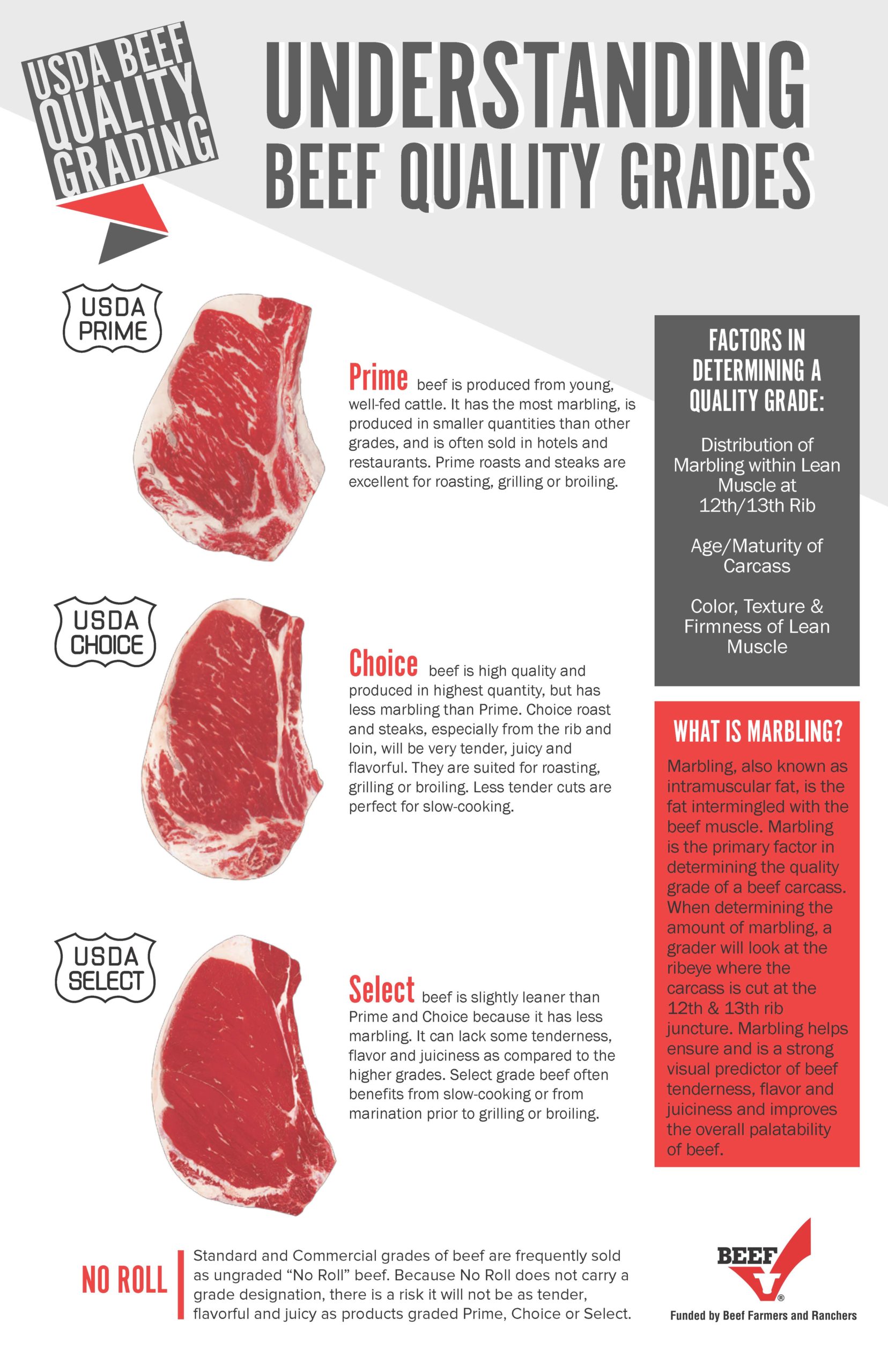
The fat content of Angus steak is a defining characteristic, contributing to its tenderness and flavor. Marbling, the intramuscular fat visible within the lean meat, is a hallmark of high-quality Angus beef. However, the fat content can vary substantially.
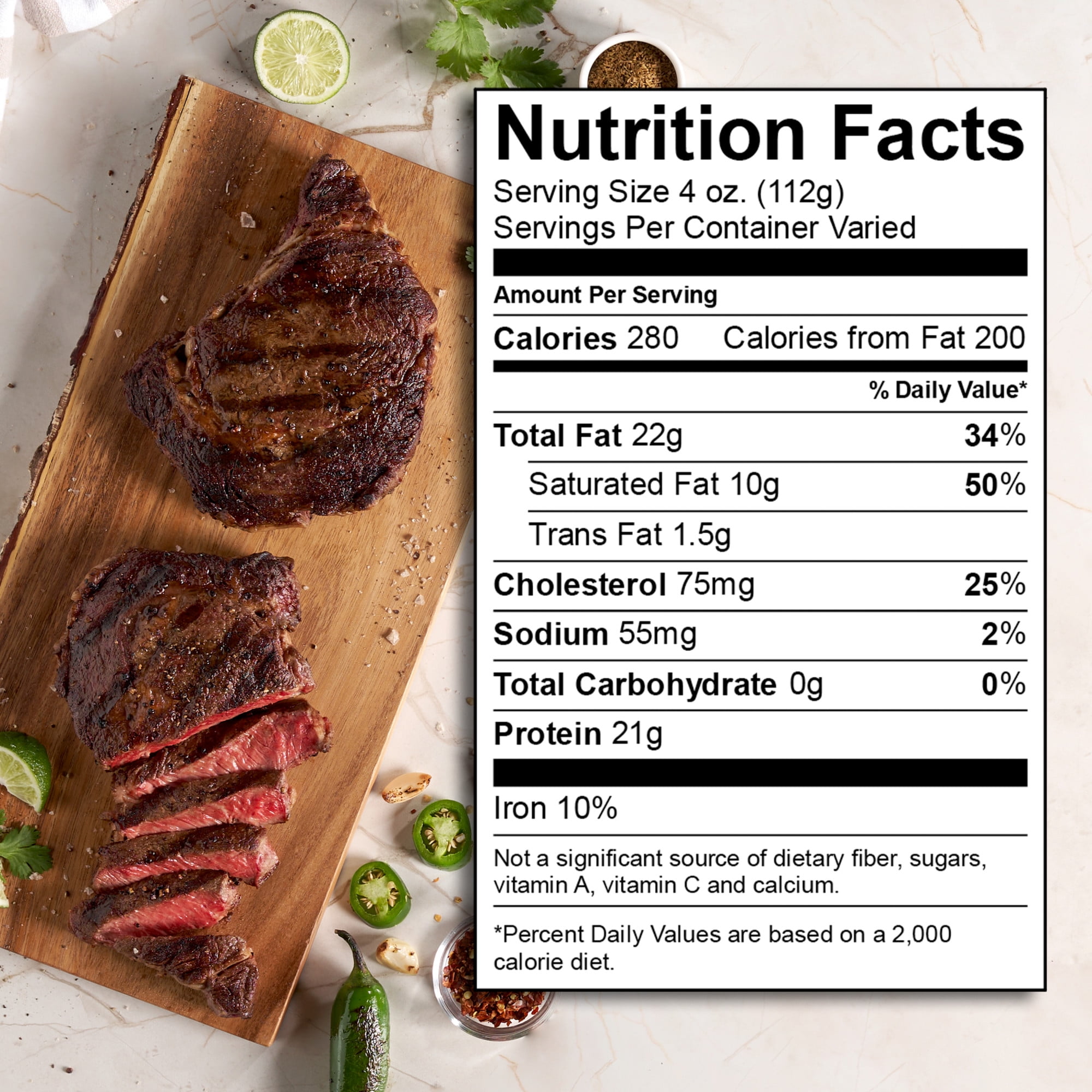
Saturated Fat: Angus steak contains saturated fat, which has been associated with increased LDL cholesterol levels and potential cardiovascular risks. It’s essential to consume saturated fat in moderation as part of a balanced diet.
Calories: Energy Content
Calories: Energy Content
The calorie content of Angus steak is primarily influenced by its fat content. Leaner cuts contain fewer calories, while fattier cuts provide more. A 3-ounce serving of cooked lean Angus steak typically contains between 150-250 calories. Fattier cuts can exceed 300 calories per serving. Cooking methods also affect calorie content; grilling or broiling generally result in lower calorie counts compared to frying.
Micronutrient Wealth: Vitamins and Minerals
Beyond macronutrients, Angus steak provides an array of essential vitamins and minerals.
Iron: Oxygen Transport
Iron: Oxygen Transport
Angus steak is a rich source of heme iron, a form of iron readily absorbed by the body. Iron is crucial for oxygen transport, red blood cell production, and energy metabolism. Iron deficiency can lead to fatigue, weakness, and anemia.
Zinc: Immune Function
Zinc: Immune Function
Angus steak supplies ample zinc, a mineral vital for immune function, wound healing, cell growth, and DNA synthesis. Zinc deficiency can impair immune responses and increase susceptibility to infections.
B Vitamins: Energy Production
B Vitamins: Energy Production
Angus steak is an excellent source of several B vitamins, including:
Vitamin B12: Essential for nerve function, red blood cell formation, and DNA synthesis.
Selenium: Antioxidant Defense
Selenium: Antioxidant Defense
Angus steak contains selenium, a trace mineral with antioxidant properties. Selenium helps protect cells from oxidative damage, supports thyroid function, and plays a role in immune function.
Phosphorus: Bone Health
Phosphorus: Bone Health
Phosphorus is also found within Angus steak, and is vital for bone and teeth health.
Potential Health Considerations
While Angus steak offers numerous nutritional benefits, it’s essential to consider potential health implications.
Cardiovascular Health
Cardiovascular Health
The saturated fat and cholesterol content of Angus steak can contribute to increased LDL cholesterol levels, a risk factor for heart disease. Moderation, choosing lean cuts, and incorporating a balanced diet are crucial for mitigating these risks.
Cancer Risk
Cancer Risk
Some studies have associated high consumption of red and processed meat with an increased risk of certain cancers, including colorectal cancer. Cooking methods that produce heterocyclic amines and polycyclic aromatic hydrocarbons, such as grilling or charring, may also contribute to cancer risk.
Sodium Content
Sodium Content
Depending on preparation methods, Angus steak can contain significant amounts of sodium. Limiting sodium intake is essential for maintaining healthy blood pressure levels.
Dietary Recommendations and Considerations
To reap the nutritional benefits of Angus steak while minimizing potential health risks, consider these recommendations:
Choose Lean Cuts: Opt for leaner cuts, such as sirloin, tenderloin, or filet mignon, to reduce saturated fat intake.
The Verdict: A Nutritious Component of a Balanced Diet
Angus steak can be a valuable component of a healthy, balanced diet. Its rich protein content, essential vitamins, and minerals provide numerous nutritional benefits. However, it’s crucial to prioritize moderation, choose lean cuts, and employ healthy cooking methods to minimize potential health risks associated with saturated fat and sodium intake. By incorporating Angus steak mindfully, individuals can enjoy its delicious flavor and nutritional advantages as part of a well-rounded dietary pattern.


