The Humble Apple Slice: A nutritional Powerhouse You Might Be Underestimating
The simple apple slice. Often relegated to a quick snack or a side garnish, it’s easy to overlook the profound nutritional value packed within this familiar fruit. But peeling back the skin and examining the apple slice reveals a potent combination of vitamins, minerals, fiber, and antioxidants, all working synergistically to promote health and well-being. Let’s delve deep into the nutritional profile of the apple slice and uncover the secrets it holds.
Understanding the Core Components:
At its heart, the apple slice is a complex matrix of carbohydrates, primarily in the form of natural sugars and fiber. This combination plays a crucial role in energy regulation and digestive health. Beyond the macronutrients, the apple slice boasts a rich array of micronutrients, including vitamins and minerals, and a diverse collection of phytochemicals, particularly antioxidants.
Apple Nutrition How Many Calories Are in an Apple?
1. Carbohydrates: Fueling Your Body Naturally
Natural Sugars: Apples contain natural sugars, primarily fructose, glucose, and sucrose. These sugars provide a quick and readily available energy source. However, the presence of fiber in the apple slice slows down the absorption of these sugars, preventing rapid spikes in blood glucose levels. This makes the apple slice a more sustainable energy source compared to refined sugary snacks.
Dietary Fiber: The Digestive Champion
Soluble Fiber: Apples are a good source of soluble fiber, particularly pectin. This type of fiber dissolves in water, forming a gel-like substance in the digestive tract. Soluble fiber helps lower cholesterol levels by binding to cholesterol in the intestine and preventing its absorption. It also contributes to blood sugar control by slowing down the absorption of glucose.
Insoluble Fiber: Apples also contain insoluble fiber, which doesn’t dissolve in water. Insoluble fiber adds bulk to the stool, promoting regular bowel movements and preventing constipation. This type of fiber is essential for maintaining a healthy digestive system.
Fiber’s Role in Satiety: The combination of soluble and insoluble fiber in apple slices contributes to a feeling of fullness and satiety. This can help with weight management by reducing overall calorie intake.
2. Vitamins: Essential for Vital Functions
Vitamin C: The Immune Booster
Apples are a moderate source of vitamin C, a powerful antioxidant that plays a crucial role in immune function. Vitamin C helps protect cells from damage caused by free radicals and supports the production of collagen, a protein essential for skin, bone, and connective tissue health.
The vitamin C content, while not extremely high, is still a valuable contribution to your daily intake, especially when consumed regularly as part of a balanced diet.
Vitamin K: Bone Health and Blood Clotting
Apples contain vitamin K, which is essential for blood clotting and bone health. Vitamin K helps activate proteins that are necessary for blood coagulation and calcium binding in bones.
While apples are not a primary source of vitamin K, they can contribute to your overall intake, especially when consumed with other vitamin K-rich foods.
B Vitamins: Energy Production and Cellular Function
Apples contain small amounts of various B vitamins, including B1 (thiamine), B2 (riboflavin), B3 (niacin), and B6 (pyridoxine). These vitamins play crucial roles in energy production, cellular metabolism, and nervous system function.
While the levels of B vitamins in apples may not be high, they contribute to overall nutritional intake and support various physiological processes.
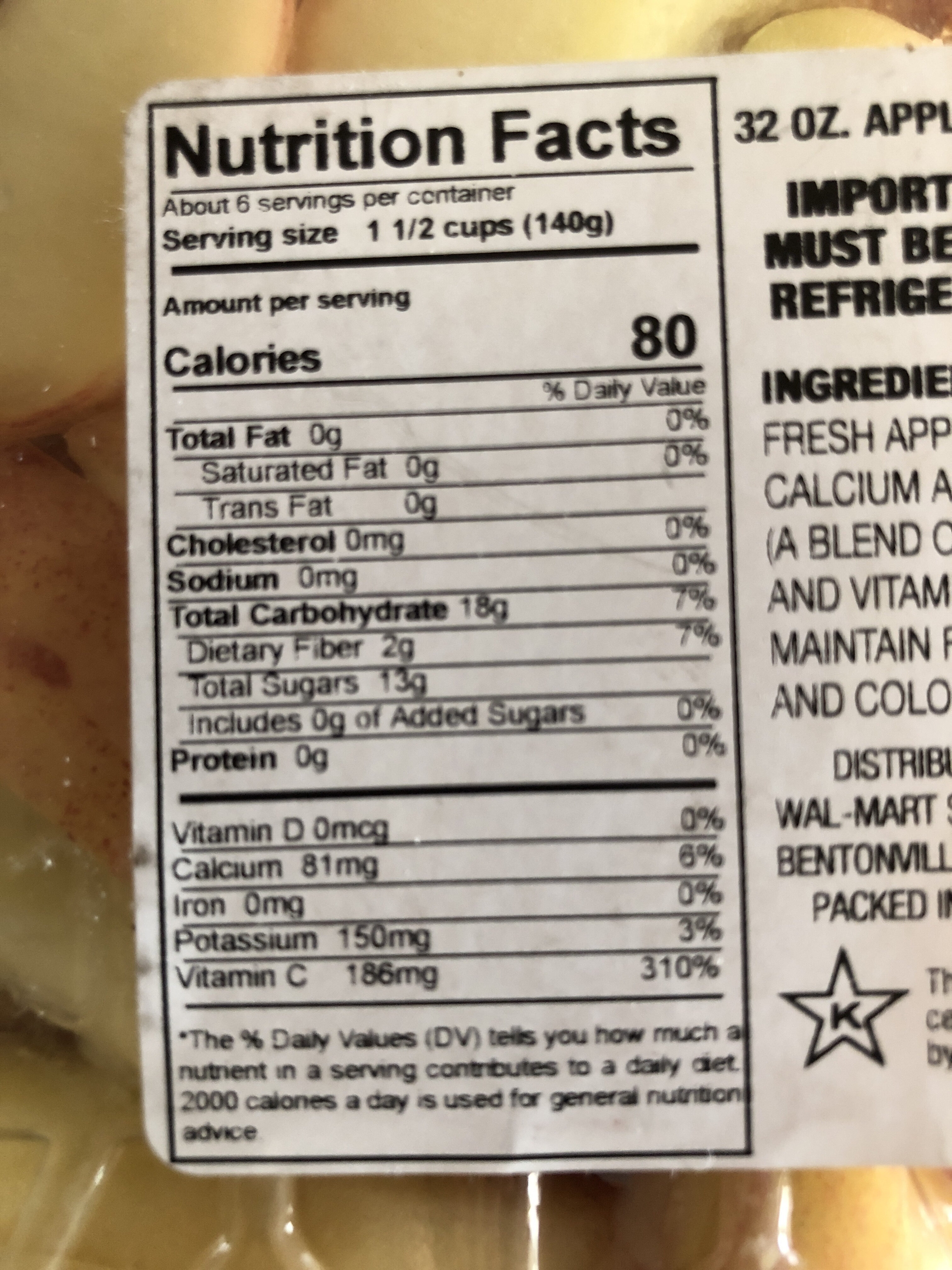
Red apple slices – Walmart – oz
3. Minerals: Building Blocks for Health
Potassium: Electrolyte Balance and Blood Pressure Regulation
Apples are a good source of potassium, an essential mineral that plays a crucial role in maintaining fluid and electrolyte balance, nerve function, and muscle contractions. Potassium also helps regulate blood pressure by counteracting the effects of sodium.
Consuming potassium-rich foods like apples can help maintain healthy blood pressure levels and reduce the risk of cardiovascular disease.
Trace Minerals: Supporting Various Physiological Processes
Apples contain trace amounts of other minerals, including copper, manganese, and iron. These minerals play important roles in various physiological processes, such as enzyme function, antioxidant defense, and oxygen transport.
While present in small amounts, these trace minerals contribute to the overall nutritional value of apples and support various metabolic functions.
4. Antioxidants: Protecting Against Cellular Damage
Flavonoids: Powerful Plant Compounds
Apples are rich in flavonoids, a group of plant compounds with potent antioxidant properties. Flavonoids help protect cells from damage caused by free radicals, which are unstable molecules that can contribute to aging and chronic diseases.
Quercetin, a prominent flavonoid found in apples, has been studied for its potential anti-inflammatory, antiviral, and anticancer properties.
Other Antioxidants: Synergistic Effects
Apples also contain other antioxidants, including vitamin C, catechins, and chlorogenic acid. These antioxidants work synergistically to protect cells from oxidative stress and reduce the risk of chronic diseases.
The diverse array of antioxidants in apples contributes to their overall health-promoting effects and makes them a valuable addition to a balanced diet.
The Importance of the Peel:
A large portion of the antioxidants in apples are concentrated in the peel. Therefore, consuming apple slices with the peel intact maximizes the intake of these beneficial compounds.
Easy Lunches
5. Hydration: A Refreshing Snack
Water Content: Apples are composed of approximately 85% water, making them a hydrating snack. Consuming apple slices can contribute to your daily fluid intake and help maintain proper hydration levels.
Electrolyte Replenishment: The presence of potassium in apples also contributes to electrolyte balance, which is essential for maintaining proper hydration, especially after physical activity.
6. Benefits Beyond Basic Nutrition
Heart Health: The combination of fiber, potassium, and antioxidants in apple slices contributes to heart health by lowering cholesterol levels, regulating blood pressure, and protecting against oxidative stress.
Gut Health: The soluble and insoluble fiber in apples promotes a healthy digestive system by supporting regular bowel movements and nourishing beneficial gut bacteria.
Weight Management: The fiber and water content of apple slices contribute to a feeling of fullness and satiety, which can help with weight management by reducing overall calorie intake.
Blood Sugar Control: The fiber in apples slows down the absorption of sugar, preventing rapid spikes in blood glucose levels. This makes apple slices a good snack option for people with diabetes or those looking to manage their blood sugar.
Cancer Prevention: Some studies suggest that the antioxidants in apples may help protect against certain types of cancer by preventing cellular damage and inhibiting tumor growth.
Cognitive Function: Some research suggests that the antioxidants in apples may help protect against cognitive decline and improve brain function.
7. Integrating Apple Slices into Your Diet:
Snacking: Apple slices make a convenient and healthy snack on their own or paired with nut butter, yogurt, or cheese.
Salads: Add apple slices to salads for a sweet and crunchy texture.
Oatmeal and Cereal: Top oatmeal or cereal with apple slices for added flavor and fiber.
Baking: Use apple slices in baked goods, such as pies, muffins, and cakes.
Smoothies: Blend apple slices into smoothies for added sweetness and nutrients.
Sandwiches: Add apple slices to sandwiches for a unique flavor and texture.
8. Choosing and Storing Apples:
Variety Matters: Different apple varieties offer varying levels of sweetness, tartness, and texture. Choose varieties that suit your taste preferences.
Freshness: Select firm, unbruised apples with smooth skin.
Storage: Store apples in the refrigerator to prolong their freshness.
Washing: Wash apples thoroughly before slicing and consuming them.
9. Potential Considerations:
Pesticides: If you’re concerned about pesticide residues, choose organic apples.
Sugar Content: While the sugar in apples is natural, it’s still important to consume them in moderation as part of a balanced diet.
Allergies: Some people may be allergic to apples. If you experience any allergic reactions, discontinue consumption.
Conclusion: A Simple Slice, A Wealth of Benefits
The humble apple slice is far more than just a simple snack. It’s a nutritional powerhouse packed with fiber, vitamins, minerals, and antioxidants that contribute to overall health and well-being. By incorporating apple slices into your daily diet, you can reap the numerous benefits they offer, from improved heart health and digestion to enhanced immunity and cognitive function. So, the next time you reach for an apple, remember that each slice is a step towards a healthier you.
:max_bytes(150000):strip_icc()/apples_annotated-4bd499eed8a64824b5f61b5aec853d78.jpg?ssl=1 "Apple Slice Nutrition: A Healthy Bite")
:max_bytes(150000):strip_icc()/apples_annotated-4bd499eed8a64824b5f61b5aec853d78.jpg "image.title")


:max_bytes(150000):strip_icc()/apples_annotated-4bd499eed8a64824b5f61b5aec853d78.jpg?ssl=1&description=Apple%20Slice%20Nutrition%3A%20A%20Healthy%20Bite)