
The Alchemic Dance of Tree growth: A Symphony of Cellular Transformation
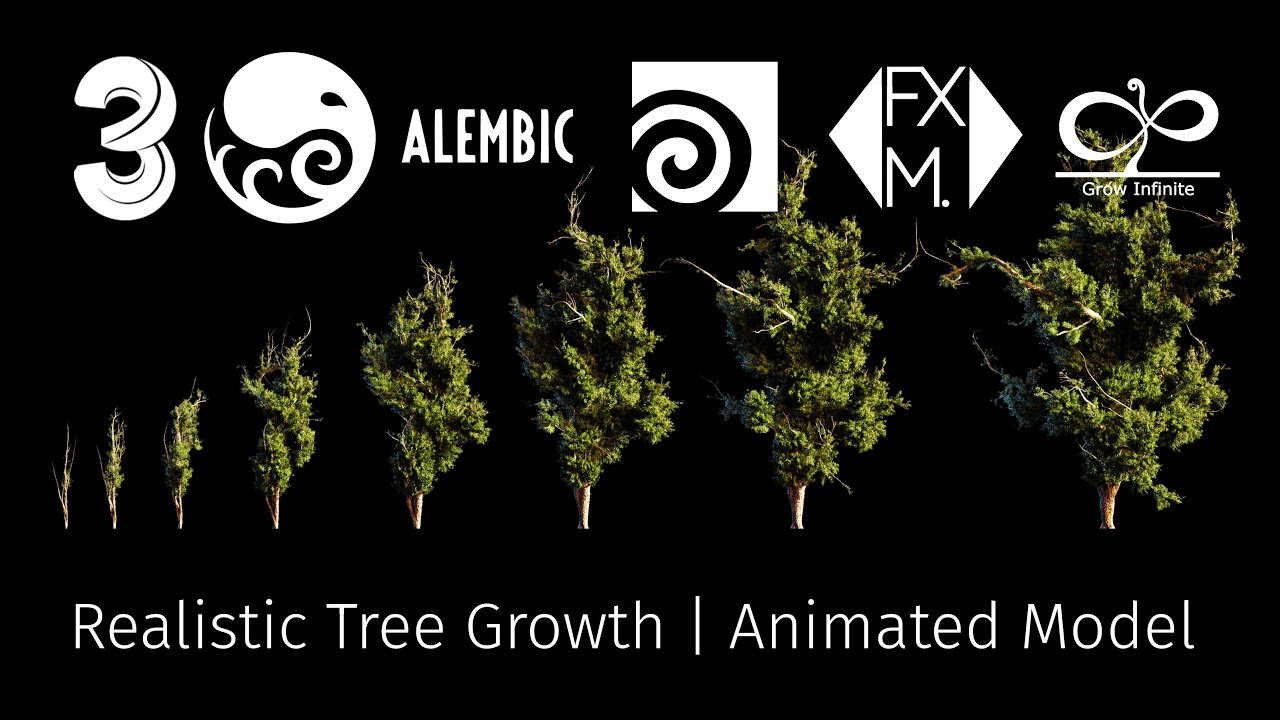
Trees, those silent sentinels of the natural world, embody a profound and intricate process of growth, a slow, deliberate alchemy that transforms sunlight, water, and minerals into towering structures of wood, bark, and leaves. This article delves into the fascinating mechanisms behind tree growth, exploring the cellular orchestration that builds these living marvels, akin to a complex and ever-evolving alchemic recipe.
The story of tree growth begins with specialized tissues known as meristems. These are the plant’s equivalent of stem cells, capable of continuous division and differentiation, fueling the tree’s expansion.

Apical Meristems: The Vanguard of Vertical Growth
Located at the tips of shoots and roots, apical meristems drive the primary growth of a tree, extending its reach both skyward and earthward. They are responsible for the elongation of stems and roots, pushing the tree towards sunlight and accessing deeper sources of water and nutrients.
Lateral Meristems: The Architects of Girth
While apical meristems extend length, lateral meristems, particularly the vascular cambium and cork cambium, are responsible for the tree’s radial growth, increasing its girth and providing structural support.
This thin layer of cells, located between the xylem and phloem, is the engine of secondary growth, creating the layers of wood that constitute the majority of a tree’s trunk and branches.
Xylem: The Waterways of Ascent
The vascular cambium produces xylem cells, which form the tree’s water-conducting tissue. These cells, predominantly dead at maturity, form a network of hollow tubes that transport water and dissolved minerals from the roots to the leaves. Each year, a new layer of xylem is added, creating the visible growth rings that reveal the tree’s age and past growing conditions.
Phloem: The Highways of Nutrient Transport
On the outer side of the vascular cambium, phloem cells are produced. This living tissue transports sugars and other organic compounds, manufactured through photosynthesis, from the leaves to other parts of the tree, providing energy for growth and maintenance.
The cork cambium, also known as the phellogen, is another lateral meristem located near the surface of the tree. It produces cork cells, which form the outer layer of bark, providing protection against desiccation, physical damage, and pathogens.
Bark: The Tree’s First Line of Defense
The bark, comprised of cork cells and other tissues, is a dynamic and multifaceted barrier. It regulates water loss, insulates the tree from temperature extremes, and deters herbivores and disease-causing organisms. The diverse patterns and textures of bark are a testament to the tree’s adaptation to its environment.
The process of tree growth is not simply a matter of cell division; it is a complex orchestration of cellular differentiation, where cells take on specialized roles and structures.
Cell Elongation and Expansion
Following cell division, newly formed cells undergo elongation and expansion, driven by internal turgor pressure and the synthesis of cell wall components. This process contributes significantly to the overall growth of the tree.
Cell Wall Deposition: Building the Structural Framework
The cell walls of plant cells are primarily composed of cellulose, a complex carbohydrate that provides structural support. During cell expansion, cellulose microfibrils are deposited in specific orientations, contributing to the strength and rigidity of the wood. Lignin, another complex polymer, is deposited within the cell walls of xylem cells, further enhancing their strength and waterproofing properties.
Hormonal Regulation: The Chemical Messengers of Growth
Plant hormones, such as auxins, gibberellins, and cytokinins, play crucial roles in regulating tree growth. They influence cell division, elongation, and differentiation, coordinating the complex developmental processes.
Tree growth is not solely determined by internal mechanisms; it is also influenced by a multitude of environmental factors.
Light: The Energy Source of Life
Light is essential for photosynthesis, the process by which trees convert sunlight into chemical energy. The availability and quality of light influence the rate of growth and the architecture of the tree’s crown.
Water: The Lifeblood of Growth
Water is essential for cell expansion, nutrient transport, and numerous metabolic processes. Water availability is a major limiting factor for tree growth, particularly in arid and semi-arid regions.
Nutrients: The Building Blocks of Growth
Trees require a variety of essential nutrients, including nitrogen, phosphorus, and potassium, for healthy growth. Nutrient availability can significantly impact growth rates and overall tree health.
Temperature: The Regulator of Metabolic Activity
Temperature influences the rate of enzymatic reactions and other metabolic processes. Trees have adapted to specific temperature ranges, and extreme temperatures can inhibit growth or cause damage.
Wind: The Sculptor of Form
Wind can influence tree growth by affecting water loss, nutrient uptake, and the distribution of mechanical stress. Trees growing in windy environments often develop shorter, sturdier trunks and branches.
Soil Conditions: The Foundation of Support
The physical and chemical properties of soil, such as texture, structure, and pH, influence root growth and nutrient availability.
Tree growth is a continuous and dynamic process, adapting to changing environmental conditions and internal signals. Trees exhibit a variety of growth patterns, including apical dominance, where the main stem grows faster than lateral branches, and branching patterns that optimize light capture.
Growth Rings: The Tree’s Chronicle
The annual growth rings visible in the xylem of many trees provide a record of past growing conditions. Wide rings indicate years of favorable growth, while narrow rings indicate years of stress, such as drought or competition.
Aging and Senescence: The Cycle of Life
Like all living organisms, trees undergo aging and senescence. The rate of growth typically slows with age, and trees become more susceptible to disease and decay. However, some tree species can live for centuries or even millennia, becoming living monuments of time.
The growth of a tree is a testament to the remarkable ingenuity of nature. From the microscopic activity of meristematic cells to the macroscopic architecture of towering trunks and expansive crowns, tree growth is a complex and finely tuned process that exemplifies the interconnectedness of life. It is an alchemic journey where simple inputs are transformed into structures of great complexity and enduring beauty, offering valuable ecological services and holding within its structure the tales of years past.


