
GHK-Cu: Unlocking Hair growth Potential – A Deep Dive
Hair loss, a concern affecting millions globally, can significantly impact self-esteem and quality of life. While various treatments exist, the search for effective and safe solutions continues. Among the promising contenders is GHK-Cu (copper peptide), a naturally occurring tripeptide that has garnered attention for its potential hair growth benefits. This comprehensive article delves into the science behind GHK-Cu, exploring its mechanisms of action, clinical evidence, and practical applications for hair restoration.
GHK-Cu, or glycyl-l-histidyl-l-lysine copper(II), is a naturally occurring copper complex found in human plasma. It plays a crucial role in various physiological processes, including tissue repair, wound healing, and collagen synthesis. Its potential to stimulate hair growth stems from its ability to modulate key pathways involved in the hair follicle cycle.
1. Stimulation of Growth Factors
GHK-Cu has been shown to stimulate the production of growth factors like vascular endothelial growth factor (VEGF) and fibroblast growth factor (FGF). These factors are essential for angiogenesis (formation of new blood vessels) and cell proliferation, both crucial for hair follicle health and growth. Improved blood supply to the hair follicles ensures delivery of vital nutrients and oxygen, promoting healthier hair.
2. Inhibition of DHT
Dihydrotestosterone (DHT) is a hormone implicated in androgenetic alopecia (male and female pattern baldness). DHT binds to receptors in hair follicles, causing them to miniaturize and eventually stop producing hair. GHK-Cu has demonstrated the ability to inhibit 5-alpha-reductase, the enzyme responsible for converting testosterone to DHT. This reduction in DHT levels can help prevent further hair follicle miniaturization and promote regrowth.
3. Promotion of Extracellular Matrix Remodeling
The extracellular matrix (ECM) surrounding hair follicles provides structural support and regulates cell signaling. GHK-Cu stimulates the synthesis of collagen and other ECM components, improving the structural integrity of the hair follicle environment. This enhanced ECM remodeling can create a more conducive environment for hair growth.
4. Anti-inflammatory Effects
Chronic inflammation can contribute to hair loss by disrupting the hair follicle cycle. GHK-Cu possesses anti-inflammatory properties, reducing the production of pro-inflammatory cytokines. This can help create a healthier scalp environment, promoting hair growth and reducing hair shedding.
5. Stimulation of Stem Cell Activity
Hair follicles contain stem cells that are responsible for regenerating new hair. GHK-Cu has been shown to stimulate the proliferation and differentiation of these stem cells, potentially leading to the formation of new hair follicles and increased hair density.
While preclinical studies have demonstrated the potential of GHK-Cu for hair growth, clinical trials are essential to validate these findings. Several studies have investigated the efficacy of GHK-Cu in treating hair loss, with promising results.
1. Studies on Androgenetic Alopecia
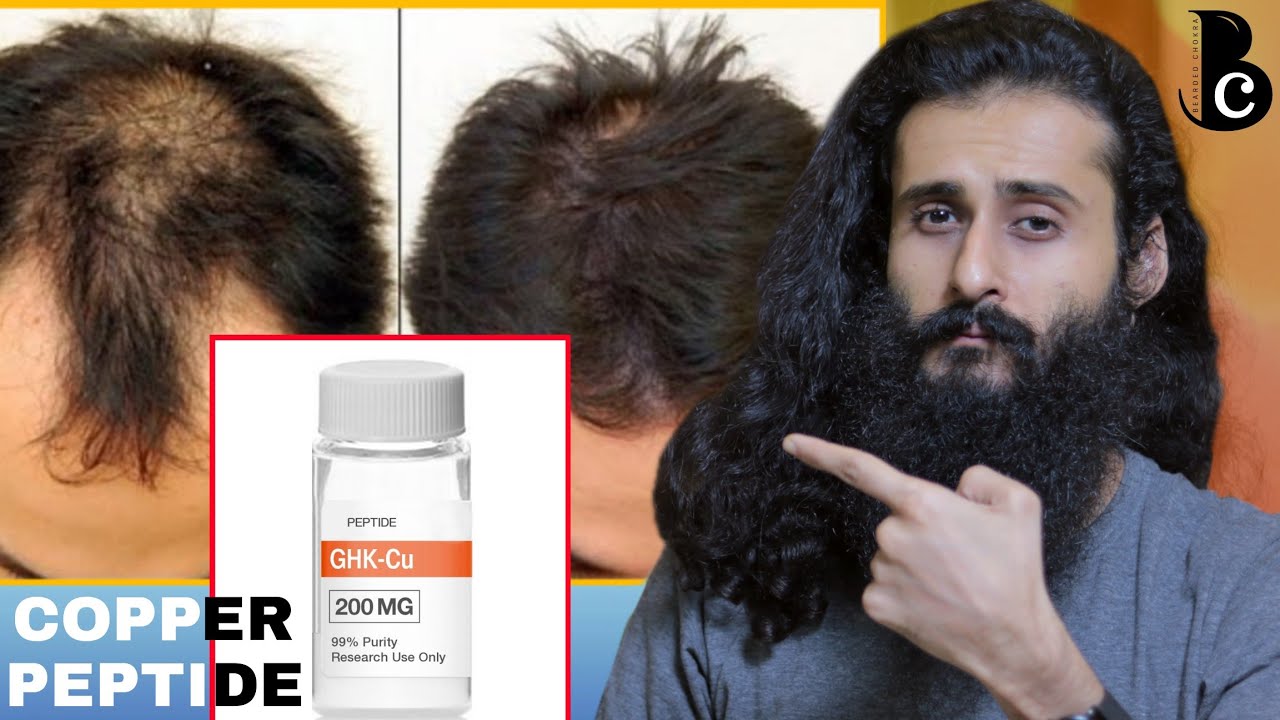
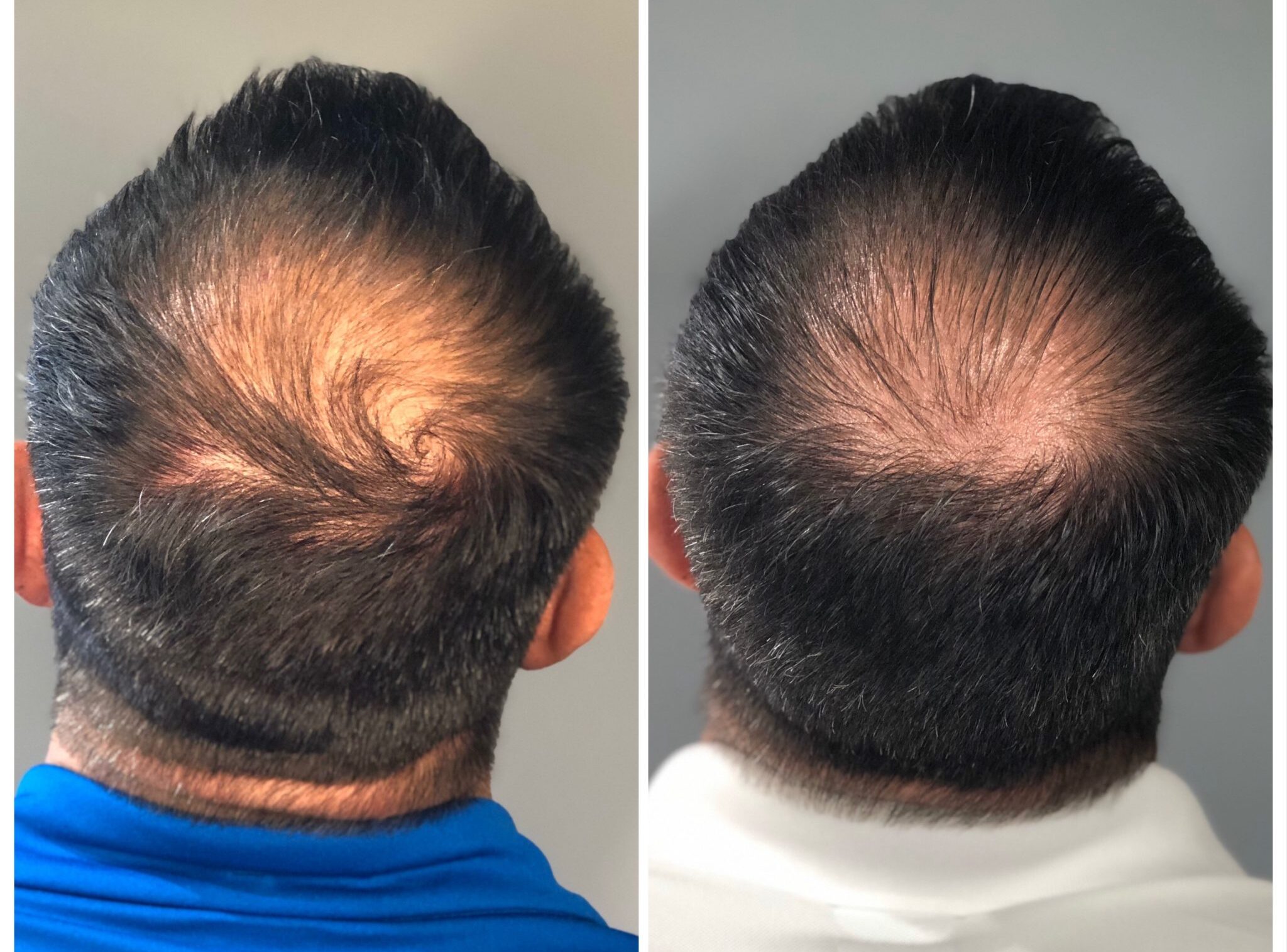
Studies have shown that GHK-Cu can improve hair density and thickness in individuals with androgenetic alopecia. In one study, participants who used a GHK-Cu-containing topical solution experienced a significant increase in hair growth compared to a placebo group. These studies suggest that GHK-Cu can be a viable treatment option for pattern baldness.
2. Comparative Studies with Minoxidil
Minoxidil is a commonly used medication for hair loss. Some studies have compared the efficacy of GHK-Cu to minoxidil, with results indicating that GHK-Cu may be as effective or even more effective in promoting hair growth. For example, some studies suggest GHK-Cu may show less side effects, and better long term maintainence than minoxidil.
3. Studies on Wound Healing and Hair Growth
Given GHK-Cu’s role in wound healing, researchers have explored its potential to stimulate hair growth in areas of scarring or scalp injury. Studies have shown that GHK-Cu can improve hair regrowth in these areas, suggesting its potential for treating cicatricial alopecia.
4. Studies on General Hair Health
Beyond treating specific hair loss conditions, GHK-Cu has shown promise in improving overall hair health. Studies have reported improvements in hair thickness, shine, and texture following the use of GHK-Cu-containing products.
GHK-Cu is available in various forms, including topical solutions, serums, and shampoos. Choosing the right product and application method is essential for maximizing its benefits.
1. Topical Solutions and Serums
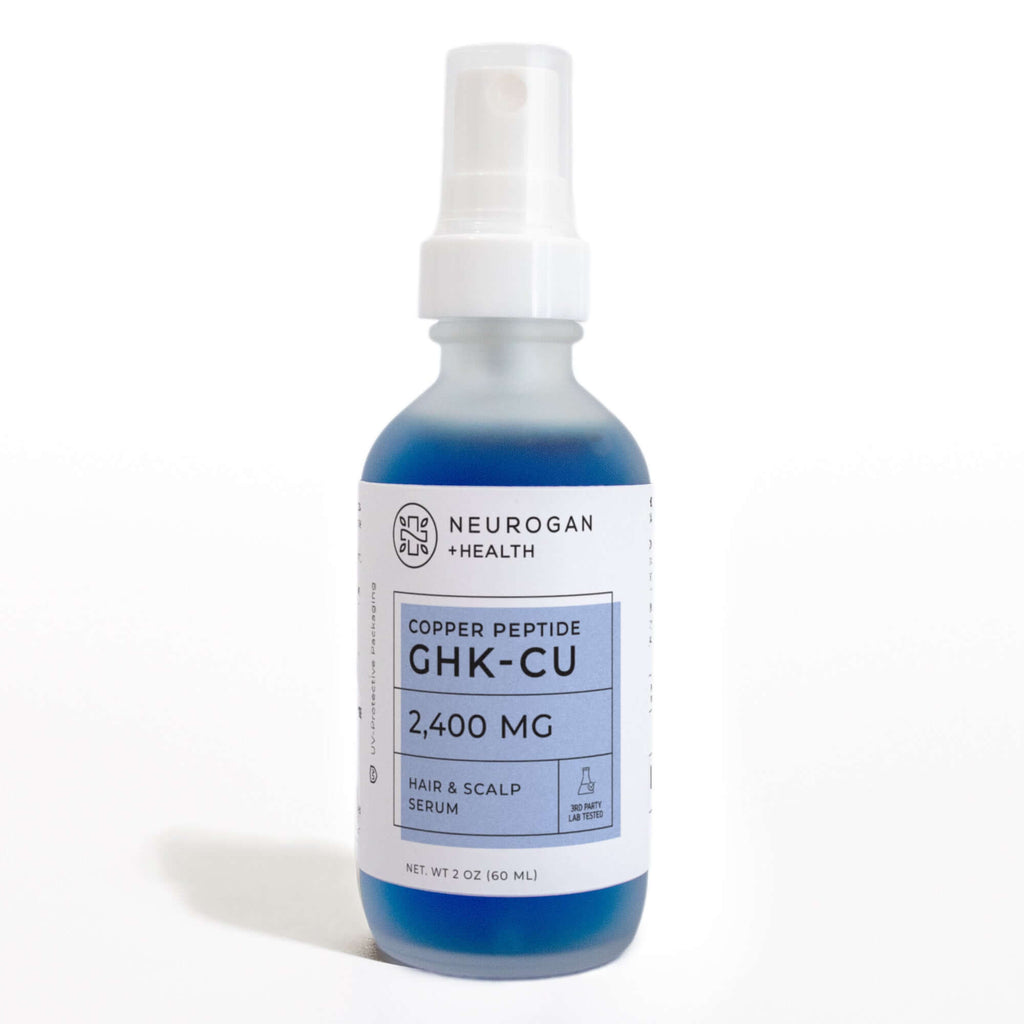
Topical solutions and serums are the most common forms of GHK-Cu used for hair growth. These products are applied directly to the scalp, allowing for targeted delivery of the peptide to the hair follicles. It is crucial to follow the product instructions and apply the solution consistently for optimal results.
2. Shampoos and Conditioners
GHK-Cu-containing shampoos and conditioners can provide a convenient way to incorporate the peptide into your hair care routine. While these products may not deliver the same concentration of GHK-Cu as topical solutions, they can still contribute to overall hair health and growth.
3. Microneedling and GHK-Cu
Microneedling, a technique that creates tiny punctures in the scalp, can enhance the absorption of GHK-Cu. Combining microneedling with GHK-Cu application can improve the delivery of the peptide to the hair follicles, potentially leading to better results.
4. Considerations for Use
When using GHK-Cu, it is essential to consider potential side effects and interactions. While generally considered safe, some individuals may experience mild irritation or redness at the application site. It is advisable to perform a patch test before using GHK-Cu on a larger area of the scalp.
GHK-Cu is generally considered safe for topical use, with minimal reported side effects. However, it is essential to be aware of potential adverse reactions.
1. Skin Irritation
Some individuals may experience mild skin irritation, redness, or itching at the application site. This is usually temporary and resolves on its own.
2. Allergic Reactions
Although rare, allergic reactions to GHK-Cu are possible. If you experience severe itching, swelling, or difficulty breathing, discontinue use and seek medical attention.
3. Interactions with Other Medications
While GHK-Cu is generally safe, it is essential to consult with a healthcare professional before using it if you are taking other medications or have underlying health conditions.
4. Quality and Purity
The quality and purity of GHK-Cu products can vary. It is crucial to choose reputable brands that provide third-party testing to ensure product safety and efficacy.
The field of GHK-Cu research is rapidly evolving, with ongoing studies exploring its potential for various applications, including hair growth. Future research may focus on:
1. Optimizing Delivery Methods
Researchers are exploring new delivery methods, such as nanoparticle-based systems, to enhance the penetration and efficacy of GHK-Cu.
2. Combining GHK-Cu with Other Treatments
Investigating the synergistic effects of combining GHK-Cu with other hair loss treatments, such as minoxidil or finasteride, could lead to more effective therapies.
3. Long-term Studies
More long-term studies are needed to evaluate the safety and efficacy of GHK-Cu for prolonged use.
4. Deeper Genetic Understanding
Further research into the genetic pathways affected by GHK-Cu will help to better understand and target the best applications.
GHK-Cu represents a promising avenue for hair restoration, offering a natural and potentially effective approach to combating hair loss. Its ability to stimulate growth factors, inhibit DHT, promote ECM remodeling, and reduce inflammation makes it a versatile tool for improving hair health. While more research is needed to fully understand its potential, the existing evidence suggests that GHK-Cu can be a valuable addition to a comprehensive hair care regimen. As with any treatment, it is essential to consult with a healthcare professional to determine if GHK-Cu is right for you and to ensure safe and effective use.


