
“`html
The Lemon Tree: A Comprehensive Guide to growth Stages
The Lemon Tree: A Comprehensive Guide to Growth Stages
Lemon trees, with their fragrant blossoms and vibrant fruit, are a delightful addition to any garden or home. Understanding their growth stages is crucial for providing optimal care and ensuring a bountiful harvest. This comprehensive guide will walk you through each phase, from seed to mature tree, providing insights and tips for success.
1. Seed Germination: The Beginning of Life
The journey of a lemon tree begins with a seed. While propagating from cuttings or grafts is more common for established cultivars, understanding seed germination is essential for appreciating the tree’s natural life cycle.
Selecting and Preparing Seeds

Fresh seeds from a ripe lemon are best for germination. Remove the seeds and wash them thoroughly to remove any pulp or sugary residue. Soaking the seeds in water for 24 hours can improve germination rates.
Planting and Initial Growth
Plant the seeds in a well-draining potting mix, about half an inch deep. Keep the soil consistently moist but not waterlogged. Cover the pot with plastic wrap or a clear lid to create a humid environment, which promotes germination. Place the pot in a warm location with indirect sunlight. Germination typically occurs within 2-3 weeks, but can sometimes take longer.
Seedling Care
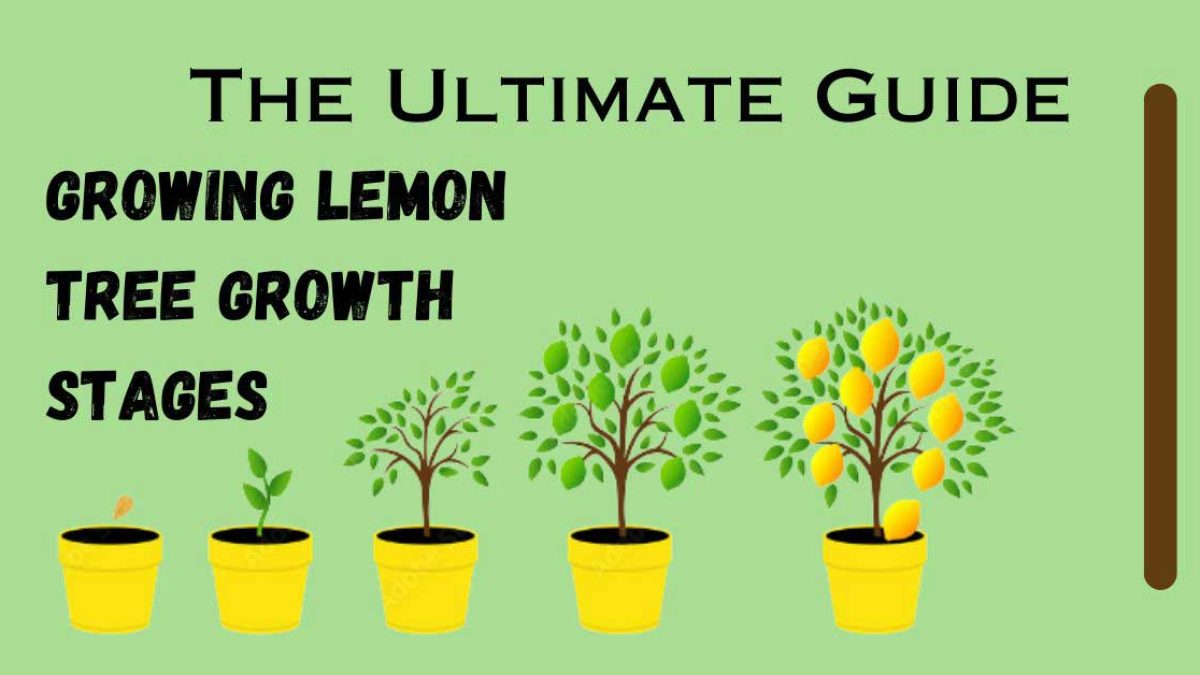
Once the seedlings emerge, remove the plastic wrap and provide them with ample light. A sunny windowsill or grow lights are ideal. Keep the soil moist and ensure good air circulation. Transplant the seedlings into individual pots when they have developed a few sets of true leaves.
2. The Seedling Stage: Establishing Roots and Shoots
The seedling stage is a critical period for lemon trees, as they focus on developing a strong root system and establishing their initial growth.
Root Development
During this stage, the root system expands rapidly, anchoring the young tree and absorbing water and nutrients. Ensure the potting mix is well-draining to prevent root rot. Repot the seedling into a slightly larger container when the roots begin to fill the current pot.
Shoot Growth
The seedling will begin to develop its first true leaves and shoots. Provide adequate sunlight to encourage healthy growth. Rotate the pot regularly to ensure even light distribution. Fertilize sparingly with a diluted citrus fertilizer to support growth.
Environmental Factors
Maintain a warm and humid environment for the seedling. Avoid exposing it to extreme temperatures or drafts. Monitor for pests and diseases, and take prompt action if any issues arise.
3. The Juvenile Stage: Rapid Vegetative Growth
The juvenile stage is characterized by rapid vegetative growth, as the lemon tree focuses on developing its structure and foliage.
Branch Development
The tree will begin to develop its branching structure, forming a framework for future fruit production. Pruning can be used to shape the tree and encourage branching. Remove any weak or crossing branches to promote airflow and light penetration.
Leaf Production
The tree will produce a large number of leaves, which are essential for photosynthesis. Ensure the tree receives ample sunlight and water to support leaf growth. Monitor for nutrient deficiencies, which can manifest as yellowing or distorted leaves.
Repotting and Soil Management
Continue to repot the tree into larger containers as needed. Use a well-draining citrus potting mix and ensure proper drainage. Mulch around the base of the tree to retain moisture and suppress weeds.
4. The Pre-Flowering Stage: Preparing for Bloom
As the lemon tree matures, it enters the pre-flowering stage, where it prepares to produce blossoms and fruit.
Bud Development
The tree will begin to develop flower buds, which will eventually open into fragrant blossoms. This stage is influenced by environmental factors such as temperature, light, and water availability.
Nutrient Requirements
Provide the tree with a balanced citrus fertilizer to support bud development. Ensure the tree receives adequate phosphorus and potassium, which are essential for flowering and fruiting.
Environmental Conditions
Maintain consistent watering and ensure the tree receives ample sunlight. Protect the tree from frost, which can damage flower buds. Monitor for pests and diseases, and take prompt action if any issues arise.
5. The Flowering Stage: Fragrant Blossoms and Pollination
The flowering stage is a beautiful and fragrant period, as the lemon tree produces an abundance of white blossoms.
Blossom Development
The flowers will open, releasing a sweet fragrance that attracts pollinators. Each flower has the potential to develop into a lemon fruit.
Pollination
Lemon trees are self-pollinating, meaning they do not require another tree for pollination. However, bees and other insects can improve pollination rates. Avoid using pesticides during the flowering stage to protect pollinators.
Environmental Factors
Maintain consistent watering and ensure the tree receives ample sunlight. Protect the flowers from strong winds and heavy rain, which can damage them. Monitor for pests and diseases, and take prompt action if any issues arise.
6. The Fruit Set Stage: Developing Young Lemons
After pollination, the flowers will begin to develop into small, green lemons. This is known as the fruit set stage.
Fruit Development
The young lemons will grow rapidly, developing their characteristic shape and color. Thinning the fruit can improve the size and quality of the remaining lemons. Remove any damaged or overcrowded fruit.
Nutrient Requirements
Provide the tree with a balanced citrus fertilizer to support fruit development. Ensure the tree receives adequate nitrogen, phosphorus, and potassium, which are essential for fruit growth.
Environmental Conditions
Maintain consistent watering and ensure the tree receives ample sunlight. Protect the developing fruit from pests and diseases. Monitor for nutrient deficiencies, which can manifest as yellowing or distorted fruit.
7. The Fruit Maturation Stage: Ripening and Harvest
The fruit maturation stage is the final phase of lemon tree growth, where the lemons ripen and develop their characteristic flavor and color.
Ripening Process
The lemons will gradually turn from green to yellow, indicating that they are ripening. The ripening process can take several months, depending on the variety and environmental conditions.
Harvesting
Harvest the lemons when they are fully yellow and slightly soft to the touch. Use pruning shears to cut the lemons from the tree, leaving a small stem attached. Store the lemons in a cool, dry place.
Post-Harvest Care
After harvesting, continue to provide the tree with proper care to prepare it for the next flowering and fruiting cycle. Prune the tree as needed, fertilize it regularly, and ensure it receives ample sunlight and water.
8. The Mature Tree Stage: Sustaining Long-Term Health
A mature lemon tree can produce abundant fruit for many years with proper care.
Ongoing Maintenance
Regular pruning, fertilization, and watering are essential for maintaining the health and productivity of a mature lemon tree. Monitor for pests and diseases, and take prompt action if any issues arise.
Environmental Considerations
Protect the tree from extreme temperatures, strong winds, and heavy rain. Ensure the tree receives ample sunlight and good air circulation. Provide adequate support for heavy branches to prevent breakage.
Long-Term Health
Regular soil testing can help identify nutrient deficiencies and ensure the tree receives the necessary nutrients. Mulch around the base of the tree to retain moisture and suppress weeds. With proper care, a mature lemon tree can provide years of enjoyment and a bountiful harvest.
“`


