
“`html
Roach Insect growth Regulators: A Comprehensive Guide
Roach Insect Growth Regulators: A Comprehensive Guide
Cockroaches are a persistent and challenging pest, capable of infesting homes and businesses with remarkable resilience. Traditional insecticides often provide temporary relief, but a more strategic approach involves targeting the roach life cycle. This is where insect growth regulators (IGRs) come into play. This comprehensive guide will delve into the intricacies of roach IGRs, exploring their mechanisms, applications, and benefits.
Understanding Roach Biology
Before exploring IGRs, it’s essential to understand the roach life cycle. Roaches undergo incomplete metamorphosis, transitioning through three stages: egg, nymph, and adult. Nymphs resemble miniature adults and molt several times before reaching maturity. These molting stages are crucial targets for IGRs.
Key Roach Species
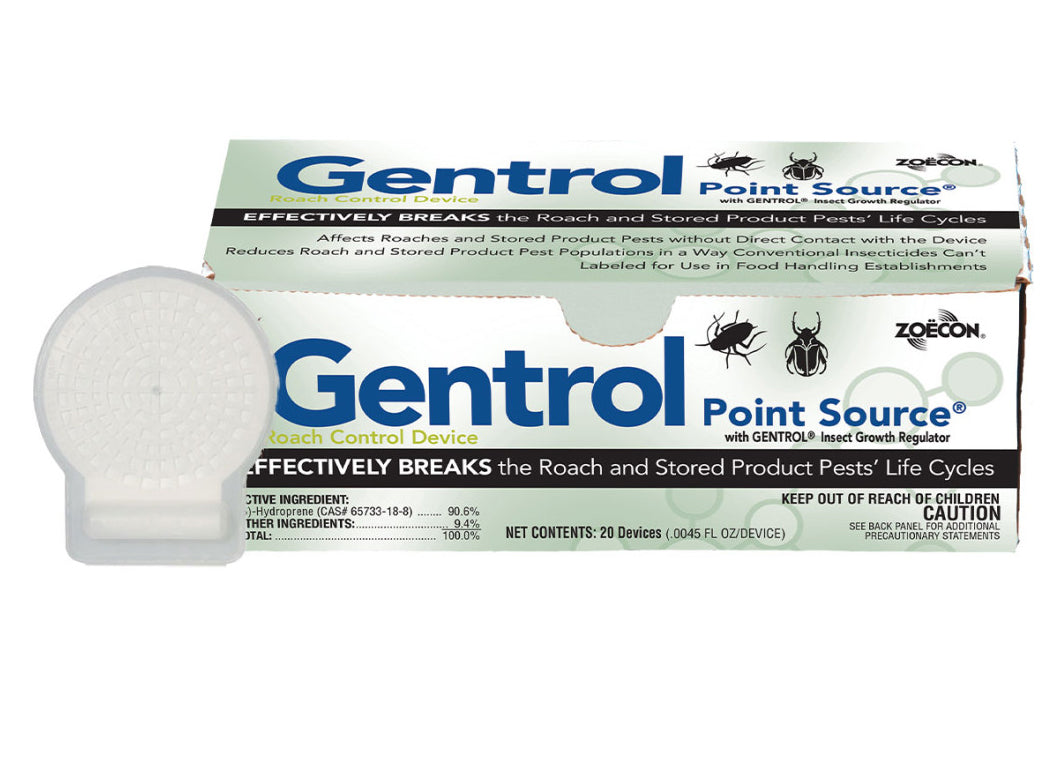
Several roach species commonly infest human environments, including:
German Cockroach (Blattella germanica):
The most prevalent indoor species, known for its rapid reproduction and adaptability.
American Cockroach (Periplaneta americana):
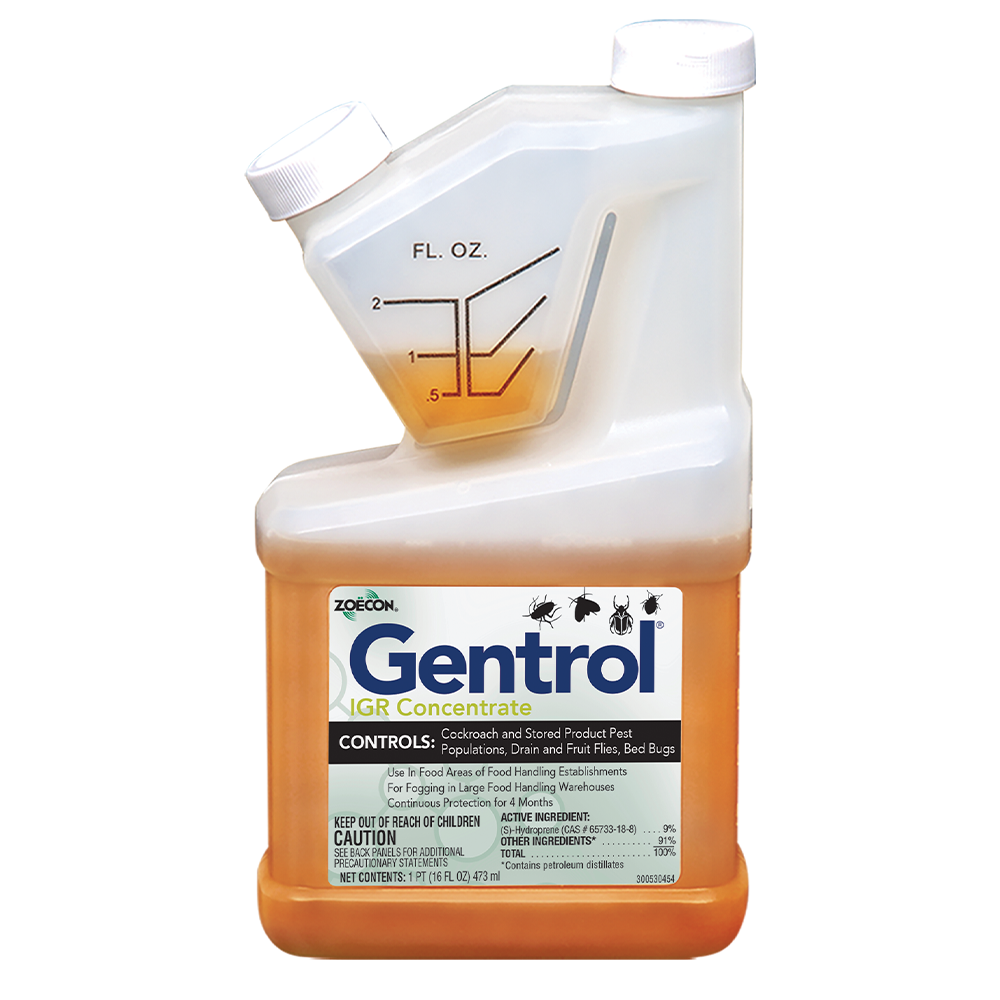
Larger than German cockroaches, commonly found in sewers and basements.
Oriental Cockroach (Blatta orientalis):
Also known as “waterbugs,” prefers cool, damp environments.
Brown-banded Cockroach (Supella longipalpa):

Tolerates drier conditions and can be found throughout the home.
What are Insect Growth Regulators (IGRs)?
IGRs are chemical substances that disrupt the growth and development of insects. Unlike traditional insecticides that kill adult roaches, IGRs interfere with the molting process, preventing nymphs from reaching maturity and impairing reproduction.
Types of IGRs
Two primary types of IGRs are used in roach control:
Juvenile Hormone Analogs (JHAs):
Mimic juvenile hormones, preventing nymphs from molting into adults. This results in sterile adults or nymphs that die during molting.
Chitin Synthesis Inhibitors (CSIs):
Interfere with chitin production, a crucial component of the roach exoskeleton. This leads to weak or deformed exoskeletons, resulting in death during molting.
How Roach IGRs Work
IGRs target specific physiological processes in roaches, primarily the molting process.
Juvenile Hormone Analogs (JHAs) Mechanism
JHAs maintain high levels of juvenile hormone, which is naturally present in nymphs. This prevents the transition to the adult stage. When a nymph is exposed to JHAs, it attempts to molt but fails to develop into a fully functional adult. The resulting roach may be sterile or die during the molting process.
Chitin Synthesis Inhibitors (CSIs) Mechanism
CSIs disrupt the production of chitin, a polysaccharide that forms the hard exoskeleton of roaches. Without sufficient chitin, the new exoskeleton is weak and brittle. During molting, the roach cannot properly shed its old exoskeleton or develop a new, functional one, leading to death.
Benefits of Using Roach IGRs
IGRs offer several advantages over traditional insecticides:
Targeted Action
IGRs specifically target immature roaches, minimizing harm to non-target organisms, including humans and pets.
Long-Term Control
By preventing nymphs from reaching adulthood and reproducing, IGRs provide long-term population control.
Reduced Resistance
IGRs have a different mode of action compared to traditional insecticides, reducing the risk of roach resistance.
Integrated Pest Management (IPM)
IGRs are a valuable component of IPM strategies, which emphasize a holistic approach to pest control.
Application Methods for Roach IGRs
IGRs are available in various formulations, including:
Baits
IGRs can be incorporated into roach baits, which are consumed by roaches and distributed throughout the population.
Sprays
Liquid IGR formulations can be sprayed in areas where roaches are likely to harbor, such as cracks, crevices, and baseboards.
Aerosols
Aerosol IGRs provide a convenient way to treat hard-to-reach areas.
Dusts
Dust formulations can be applied in voids and other inaccessible locations.
Choosing the Right Roach IGR
Selecting the appropriate IGR depends on several factors, including the target roach species, the severity of the infestation, and the application environment.
Active Ingredients
Common IGR active ingredients include:
(S)-Methoprene:
A JHA effective against various roach species.
Pyriproxyfen:
Another JHA with broad-spectrum activity.
Noviflumuron:
A CSI that disrupts chitin synthesis.
Formulation
Consider the formulation that best suits the application method and target area.
Safety Considerations
Always follow the manufacturer’s instructions and safety precautions when using IGRs.
Integrating IGRs with Other Pest Control Methods
For optimal roach control, IGRs should be integrated with other pest management strategies.
Sanitation
Maintaining a clean environment is crucial for reducing roach populations. Eliminate food and water sources, and keep garbage containers tightly sealed.
Habitat Modification
Seal cracks and crevices to eliminate roach harborage areas. Repair leaky pipes and faucets to reduce moisture.
Traditional Insecticides
Use traditional insecticides to target adult roaches, complementing the effects of IGRs on nymphs.
Monitoring
Use sticky traps or other monitoring devices to assess roach populations and evaluate the effectiveness of control measures.
Safety and Precautions
While IGRs are generally considered safe, it’s essential to follow safety precautions.
Read and Follow Label Instructions
Always read and follow the manufacturer’s instructions for application and safety.
Wear Protective Gear
Wear gloves and other protective gear when applying IGRs.
Ventilation
Ensure adequate ventilation during and after application.
Keep Out of Reach of Children and Pets
Store IGRs in a secure location, out of reach of children and pets.
The Future of Roach IGRs
Ongoing research is focused on developing new and more effective IGRs with improved safety profiles. Advancements in biotechnology may lead to the development of biopesticides that target specific roach genes or physiological processes.
Conclusion
Roach IGRs are a valuable tool in the fight against roach infestations. By targeting the roach life cycle, IGRs provide long-term control and minimize the risk of resistance. When used as part of an integrated pest management strategy, IGRs can effectively reduce roach populations and create a healthier environment.
“`


