
The Radiant Truth: Does Sunlight Really Fuel Hair growth?
Sunlight, the life-giving force that nourishes our planet, has long been associated with vitality and well-being. From boosting vitamin D production to elevating mood, its benefits are undeniable. But what about hair growth? Does basking in the sun’s golden rays truly contribute to longer, thicker locks? In this comprehensive exploration, we delve into the science behind sunlight and hair, separating myth from reality.
Before examining sunlight’s potential impact, it’s crucial to understand the intricate hair growth cycle, which consists of three distinct phases:
Anagen: The Active Growth Phase
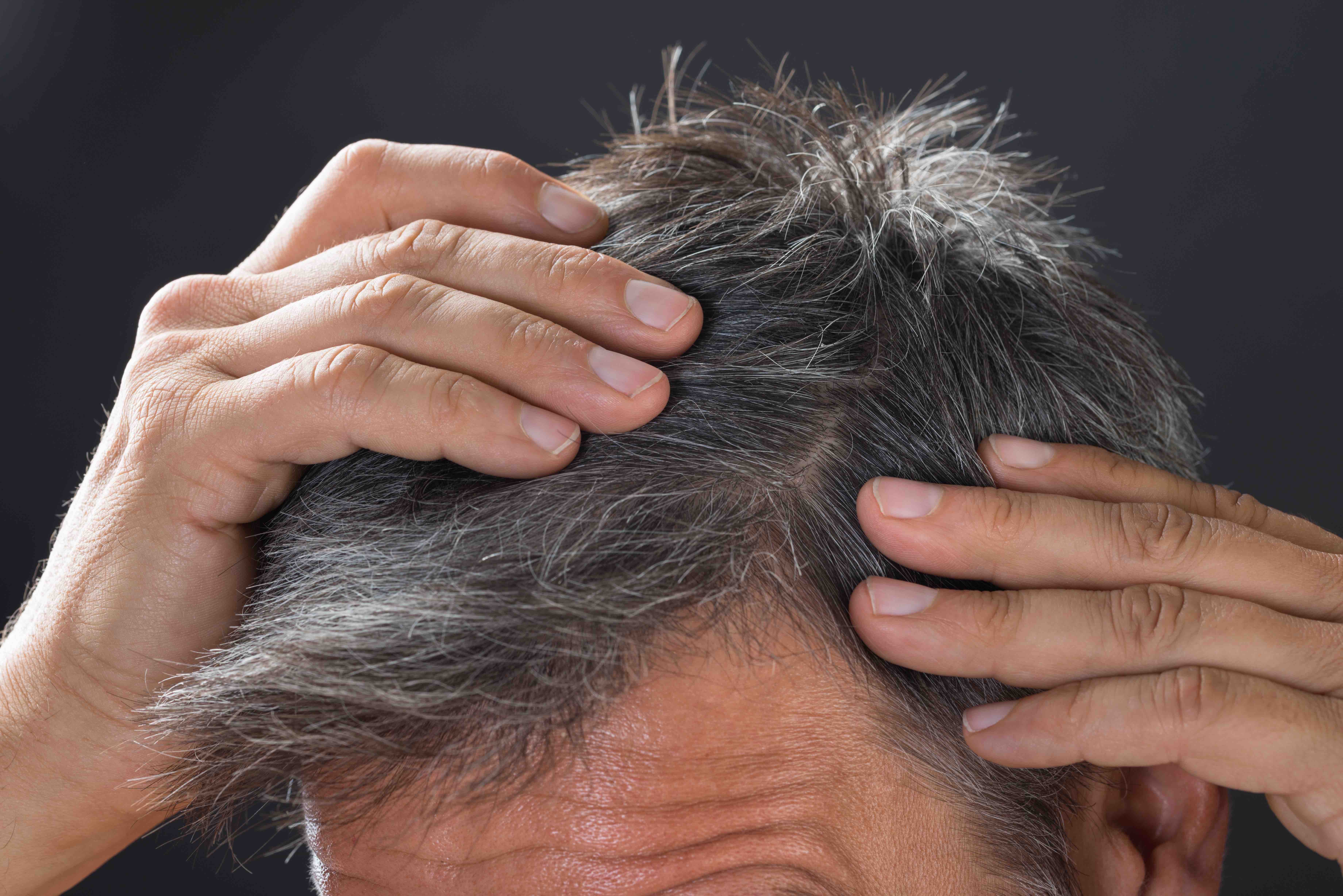
This is the longest phase, lasting anywhere from two to seven years. During anagen, hair follicles are actively producing new hair fibers, resulting in continuous growth. The duration of this phase determines the ultimate length of your hair.
Catagen: The Transition Phase
A brief, two-to-three-week transition period, catagen signals the end of active growth. The hair follicle shrinks, and the hair shaft detaches from the blood supply.
Telogen: The Resting Phase
Lasting approximately three months, telogen is when the hair follicle remains dormant. Old hair sheds, making way for new growth during the next anagen phase.

The most significant link between sunlight and hair growth lies in vitamin D synthesis. When sunlight interacts with cholesterol in our skin, it triggers the production of vitamin D. This essential vitamin plays a crucial role in various bodily functions, including calcium absorption, immune regulation, and, importantly, hair follicle stimulation.
Vitamin D’s Role in Hair Follicle Stimulation
Studies have shown that vitamin D receptors are present in hair follicle cells. This suggests that vitamin D may directly influence hair growth by promoting the creation of new follicles and stimulating existing ones. Research published in the Journal of Steroid Biochemistry and Molecular Biology indicated that vitamin D deficiency is associated with hair loss conditions like telogen effluvium and alopecia areata.
Addressing Vitamin D Deficiency
Many individuals, particularly those living in regions with limited sunlight or those with darker skin tones, are at risk of vitamin D deficiency. This deficiency can potentially hinder hair growth. Supplementation with vitamin D, under the guidance of a healthcare professional, may be beneficial in addressing this issue.
Sunlight’s warmth can also improve blood circulation to the scalp. Enhanced blood flow delivers essential nutrients and oxygen to hair follicles, promoting healthy growth.
Vasodilation and Nutrient Delivery
Sunlight induces vasodilation, the widening of blood vessels, which increases blood flow. This improved circulation can nourish hair follicles, providing the building blocks necessary for robust hair growth.
The Importance of Scalp Health
A healthy scalp is crucial for optimal hair growth. Sunlight, through its influence on blood circulation and vitamin D production, can contribute to a healthier scalp environment.
Melatonin, a hormone primarily known for regulating sleep-wake cycles, also plays a role in hair growth. Sunlight exposure can influence melatonin production, potentially affecting the hair growth cycle.
Melatonin and Follicular Activity
Research suggests that melatonin may have antioxidant and growth-promoting effects on hair follicles. It may help prolong the anagen phase, leading to longer hair growth.
Sunlight’s Influence on Melatonin Rhythms
Regular sunlight exposure helps regulate melatonin rhythms, potentially optimizing its beneficial effects on hair growth. However, excessive sunlight exposure at night can disrupt melatonin production, which could have negative consequences.
While sunlight offers potential benefits for hair growth, excessive exposure can have detrimental effects.
UV Radiation and Hair Damage
Ultraviolet (UV) radiation from the sun can damage the hair shaft, leading to dryness, brittleness, and breakage. Prolonged exposure can also fade hair color and weaken hair structure.
Scalp Sunburn and Follicular Damage
Sunburn on the scalp can damage hair follicles, potentially leading to temporary hair loss. Protecting the scalp with sunscreen or a hat is essential during prolonged sun exposure.
Increased Risk of Skin Cancer
Excessive sun exposure significantly increases the risk of skin cancer. Protecting yourself with sunscreen, protective clothing, and seeking shade during peak hours is crucial.
To reap the potential benefits of sunlight for hair growth while minimizing the risks, consider these guidelines:
Moderate Exposure: The Key to Balance
Aim for moderate sunlight exposure, ideally during the morning or late afternoon when UV radiation is less intense. 10-15 minutes of daily exposure may be sufficient for vitamin D synthesis.
Protect Your Scalp: Sunscreen and Hats
Apply sunscreen with an SPF of 30 or higher to your scalp, especially if you have thinning hair or a bald spot. Wearing a wide-brimmed hat can provide additional protection.
Maintain a Healthy Diet: Nutritional Support
Support hair growth with a balanced diet rich in protein, iron, zinc, and vitamins. These nutrients are essential for healthy hair follicles.
Hydration: Essential for Hair Health
Drink plenty of water to keep your hair and scalp hydrated. Dehydration can lead to dry, brittle hair that is prone to breakage.
Consider Vitamin D Supplementation: Consult a Doctor
If you suspect you have a vitamin D deficiency, consult a healthcare professional. They can perform a blood test and recommend appropriate supplementation.
Myth: Sunlight Directly Makes Hair Grow Faster
While sunlight can contribute to a healthier scalp and potentially stimulate hair follicles through vitamin D production and improved circulation, it doesn’t directly make hair grow faster. Hair growth rate is primarily determined by genetics and hormonal factors.
Myth: Tanning Your Scalp Promotes Hair Growth
Tanning your scalp does not promote hair growth and can be harmful. Excessive UV exposure can damage hair follicles and increase the risk of skin cancer.
Myth: Sunlight Can Cure Hair Loss Conditions
Sunlight alone cannot cure hair loss conditions like androgenetic alopecia or alopecia areata. These conditions require specific medical treatments.
Sunlight plays a role in overall health and well-being, and its influence on vitamin D production and blood circulation can indirectly support hair growth. However, it’s not a magic bullet for hair loss or a direct stimulant for rapid hair growth.
A balanced approach is essential. Moderate sunlight exposure, combined with a healthy diet, proper hair care, and appropriate medical treatment when necessary, can contribute to healthier, stronger hair. Remember to prioritize scalp protection and consult with a healthcare professional for personalized advice.


