
Flea growth Regulators: Breaking the Cycle of Infestation
Fleas, those tiny, blood-sucking parasites, are a persistent nuisance for pet owners and a potential health hazard for both animals and humans. While traditional flea control methods like topical treatments and sprays target adult fleas, they often fail to address the underlying issue: the burgeoning population of eggs, larvae, and pupae lurking in your home. This is where flea growth regulators (FGRs) come into play, offering a crucial weapon in the battle against these resilient pests.
FGRs are insect growth regulators specifically designed to disrupt the flea’s life cycle, preventing immature stages from developing into biting adults. They work by mimicking or interfering with the insect’s natural hormones, effectively stopping their metamorphosis. This article will delve into the science behind FGRs, explore their various types, discuss their application, and highlight their importance in a comprehensive flea control strategy.
Understanding the Flea Life Cycle

To grasp the significance of FGRs, it’s essential to understand the flea’s life cycle:
Eggs: Adult female fleas lay eggs in the environment, typically in carpets, bedding, and furniture. These eggs hatch within a few days.
Traditional flea control methods primarily target adult fleas, but the vast majority of a flea population exists in the immature stages. FGRs disrupt this cycle by preventing the development of these immature stages, ultimately leading to a significant reduction in the adult flea population.
Types of Flea Growth Regulators
There are two main types of FGRs:
Insect Growth Regulators (IGRs)
IGRs mimic or interfere with the insect’s natural hormones, specifically juvenile hormone. This hormone regulates the insect’s development, ensuring it progresses through the larval and pupal stages correctly. IGRs disrupt this process, preventing the larvae from molting into adults or causing them to develop into deformed, non-reproductive adults.
Methoprene: This is one of the most common IGRs used in flea control products. It mimics juvenile hormone, preventing larvae from developing into adults.
Insect Development Inhibitors (IDIs)
IDIs, such as lufenuron, work by inhibiting the production of chitin, a crucial component of the insect’s exoskeleton. This prevents larvae from molting and pupae from developing properly. Lufenuron is typically administered orally to pets, where it circulates in the bloodstream and is ingested by fleas feeding on the animal.
Application of Flea Growth Regulators
FGRs are available in various forms, including:
Topical Treatments
Many topical flea treatments for pets contain a combination of adulticides and IGRs. These treatments are applied directly to the pet’s skin and provide both immediate relief from adult fleas and long-term control of immature stages.
Oral Medications
Oral medications containing IDIs like lufenuron are administered to pets and provide systemic protection against flea development. These medications are typically given monthly.
Environmental Sprays and Foggers
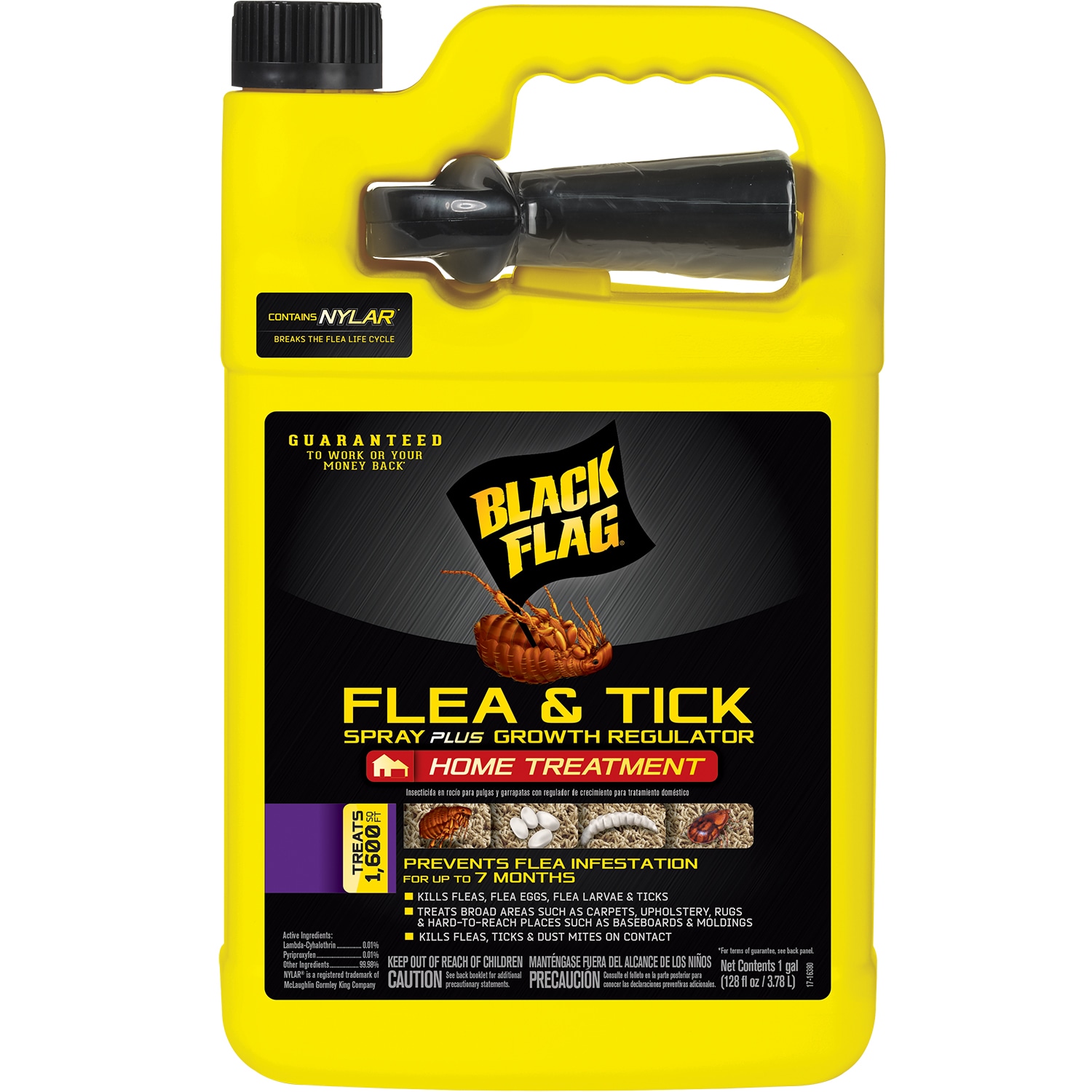
FGRs are also available in environmental sprays and foggers that can be used to treat carpets, furniture, and other areas where fleas may be present. These products help to eliminate immature stages in the environment.
Combination Products
Many flea control products combine adulticides with FGRs, offering a comprehensive approach to flea control. These combination products provide immediate relief from adult fleas while also preventing the development of future generations.
Benefits of Using Flea Growth Regulators
Using FGRs in a flea control strategy offers several significant benefits:
Breaking the Flea Life Cycle
FGRs target the immature stages of fleas, preventing them from developing into biting adults. This helps to break the flea life cycle and reduce the overall flea population.
Long-Term Control
FGRs provide long-term control by preventing the development of future generations of fleas. This helps to reduce the need for frequent treatments.
Reduced Environmental Contamination
Compared to adulticides, FGRs are generally considered to be less toxic and have a lower impact on the environment.
Prevention of Reinfestation
By targeting immature stages, FGRs help to prevent reinfestation, even if new adult fleas are introduced into the environment.
Considerations When Using Flea Growth Regulators
While FGRs are effective and generally safe, there are some considerations to keep in mind:
Combination with Adulticides
For optimal flea control, FGRs should be used in conjunction with adulticides to address both adult fleas and immature stages.
Proper Application
FGRs must be applied correctly to be effective. Follow the instructions on the product label carefully.
Environmental Treatment
Treating the environment is crucial for effective flea control. Focus on areas where pets spend most of their time, such as carpets, bedding, and furniture.
Persistence of Pupae
Pupae are highly resistant to environmental factors and can remain dormant for extended periods. Even with effective FGR treatment, new adult fleas may emerge from pupae weeks or months later. Continue with flea control measures to address these emerging adults.
Pet Specific Needs
Consult with a veterinarian to determine the most appropriate flea control strategy for your pet, considering their age, health, and lifestyle.
Integrating FGRs into a Comprehensive Flea Control Plan
A comprehensive flea control plan should include the following:
Veterinary Consultation
Consult with a veterinarian to discuss the best flea control options for your pet.
Regular Pet Treatments
Use topical or oral flea treatments on your pet as directed by your veterinarian.
Environmental Cleaning
Regularly vacuum carpets, furniture, and other areas where fleas may be present. Wash pet bedding and other fabrics in hot water.
Environmental Treatments
Use environmental sprays or foggers containing FGRs to treat your home.
Yard Treatments
If your pet spends time outdoors, consider treating your yard with flea control products.
Ongoing Monitoring
Monitor your pet and home for signs of fleas and continue with flea control measures as needed.
Conclusion
Flea growth regulators are a valuable tool in the fight against flea infestations. By disrupting the flea’s life cycle, FGRs help to prevent the development of future generations of fleas, leading to long-term control and a healthier environment for both pets and humans. When used in conjunction with adulticides and a comprehensive flea control plan, FGRs can effectively eliminate fleas and prevent reinfestation. Remember to consult with your veterinarian to determine the best flea control strategy for your pet and home.


