
“`html
Yorkie growth Chart: A Comprehensive Guide
Yorkie Growth Chart: A Comprehensive Guide
Yorkshire Terriers, affectionately known as Yorkies, are beloved for their small size, vibrant personalities, and beautiful silky coats. Understanding their growth patterns is crucial for any Yorkie owner. This comprehensive guide will walk you through the typical growth trajectory of a Yorkie, providing insights into their weight, size, and developmental milestones.
Understanding Yorkie Size and Standards
The American Kennel Club (AKC) standard for a Yorkie states that they should weigh no more than 7 pounds. This small size is a defining characteristic of the breed. However, within this standard, there can be variations. Factors such as genetics, diet, and overall health play significant roles in a Yorkie’s final size.
The Importance of a Growth Chart
A growth chart serves as a valuable tool for tracking your Yorkie’s development. It provides a general guideline, allowing you to monitor their progress and identify any potential issues early on. While individual Yorkies may deviate slightly from the chart, it offers a helpful baseline for comparison.
Yorkie Growth Stages: From Puppy to Adult
Newborn Stage (0-2 Weeks)
Yorkie puppies are born tiny and helpless. During the first two weeks, they rely entirely on their mother for warmth and nourishment. Their eyes and ears are closed, and they spend most of their time sleeping and nursing. Weight gain is gradual but consistent.
Early Puppyhood (2-8 Weeks)
This is a period of rapid development. At around two weeks, their eyes begin to open, followed by their ears. They start to become more mobile, taking their first wobbly steps. By 6-8 weeks, they are more active, playful, and begin to wean from their mother’s milk. Socialization during this stage is crucial for their future temperament.
Juvenile Stage (2-6 Months)
The juvenile stage is characterized by significant growth spurts. Yorkies gain weight and height rapidly, and their puppy coat begins to transition to their adult coat. They become more coordinated and energetic, exploring their surroundings with curiosity. This is also the stage where their personality starts to fully emerge.
Adolescent Stage (6-12 Months)
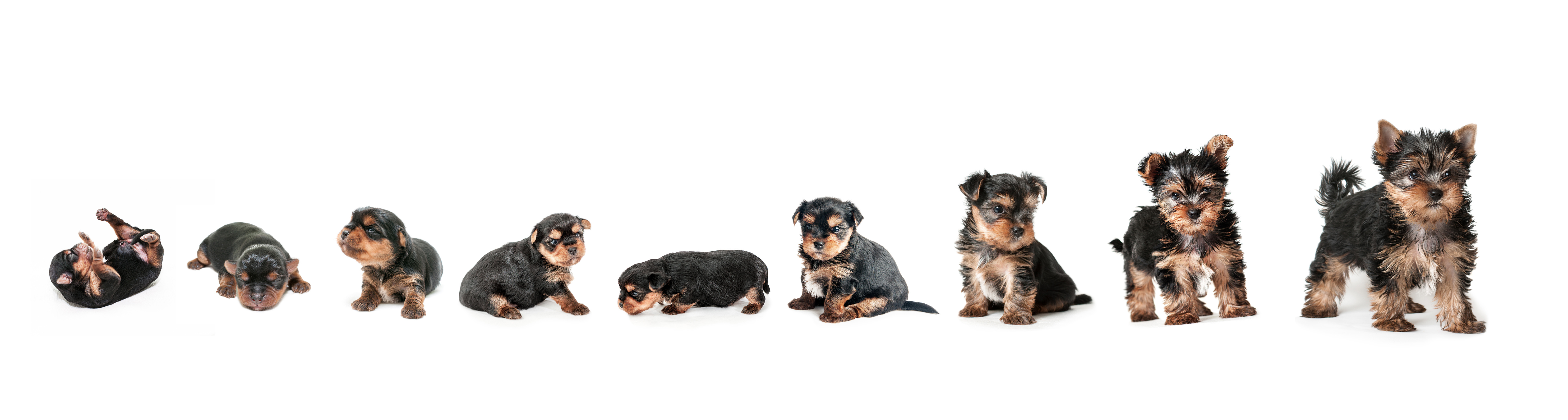
During adolescence, Yorkies reach near their adult size. Their growth rate slows down, and they focus on developing muscle mass and refining their coordination. By the end of this stage, they are essentially fully grown, although some minor adjustments in weight and coat may continue.
Adult Stage (12 Months and Beyond)
By 12 months, a Yorkie is considered an adult. Their growth has stabilized, and they have reached their final size. Maintaining a healthy weight and providing proper nutrition are essential for their long-term health and well-being.
Yorkie Growth Chart: Weight and Size Guidelines
It’s important to remember that these are general guidelines, and individual Yorkies may vary. Consult with your veterinarian for personalized advice.
Typical Yorkie Weight Chart (Approximate)
2 Weeks:
2-4 ounces
4 Weeks:
4-8 ounces
8 Weeks:
8-16 ounces (0.5-1 pound)
3 Months:
1-2 pounds
6 Months:
3-5 pounds
9 Months:
5-6 pounds
12 Months:
5-7 pounds
Typical Yorkie Height (Shoulder Height)
Adult Yorkie:
8-9 inches
Factors Affecting Yorkie Growth
Genetics
Genetics play a significant role in determining a Yorkie’s size. If the parents are larger or smaller than average, their offspring may follow suit. Understanding your Yorkie’s lineage can provide insights into their potential size.
Nutrition
Proper nutrition is essential for healthy growth. A high-quality puppy food formulated for small breeds provides the necessary nutrients for optimal development. Avoid overfeeding, as it can lead to obesity and other health problems. Consult with your veterinarian for recommendations on appropriate feeding amounts and schedules.
Health
Underlying health conditions can impact a Yorkie’s growth. Parasites, infections, and congenital issues can hinder development. Regular veterinary checkups are crucial for early detection and treatment of any health problems.
Exercise
While Yorkies are small, they require regular exercise to maintain muscle tone and overall health. Moderate activity, such as short walks and playtime, is sufficient for their needs. Avoid overexertion, especially during their puppyhood.
Potential Growth Issues and Concerns
Runts
Runts are the smallest puppies in a litter. They may have slower growth rates and may be more susceptible to health problems. Providing extra care and attention is crucial for their well-being.
Overgrowth
While rare, some Yorkies may exceed the breed standard in size. Overfeeding and genetic factors can contribute to overgrowth. Maintaining a healthy weight is essential to prevent health complications.
Delayed Growth
Delayed growth can be a sign of underlying health issues. Parasites, nutritional deficiencies, and hormonal imbalances can hinder development. If you notice your Yorkie’s growth is significantly slower than expected, consult with your veterinarian.
Tips for Healthy Yorkie Growth
Provide High-Quality Nutrition
Feed your Yorkie a balanced diet formulated for small breeds. Choose a puppy food with high-quality ingredients and appropriate nutrient ratios. Consult with your veterinarian for recommendations on feeding amounts and schedules.
Regular Veterinary Checkups
Schedule regular veterinary checkups to monitor your Yorkie’s growth and health. Early detection and treatment of health problems can prevent complications and ensure optimal development.
Proper Socialization and Training
Socialization during puppyhood is crucial for developing a well-adjusted and confident Yorkie. Expose them to various people, animals, and environments. Positive reinforcement training can help them learn good manners and behaviors.
Moderate Exercise
Provide regular exercise appropriate for their age and size. Short walks, playtime, and interactive toys can keep them active and engaged. Avoid overexertion, especially during their puppyhood.
Maintain a Clean and Safe Environment
Create a clean and safe environment for your Yorkie. Remove potential hazards and provide a comfortable space for them to rest and play.
Monitor Weight and Size
Regularly monitor your Yorkie’s weight and size to ensure they are on track with their growth. Use a growth chart as a guide and consult with your veterinarian if you have any concerns.
Conclusion
Understanding the growth patterns of your Yorkie is essential for providing them with the best possible care. By following a growth chart, providing proper nutrition, and scheduling regular veterinary checkups, you can ensure your Yorkie grows into a healthy and happy adult. Remember that every Yorkie is unique, and individual variations are normal. Consult with your veterinarian for personalized advice and guidance throughout your Yorkie’s growth journey. Enjoy the rewarding experience of watching your little companion grow and thrive.
“`


